What to Do After a Tampa Bay Rideshare Crash
A rideshare crash can turn a normal Tampa Bay day into a mess in seconds. Maybe you are heading to work over the bridge, heading out in weekend nightlife traffic, or catching a ride from the airport during a summer storm. No matter how it happens, you are left with the same questions: Who is responsible, and how do you prove it?
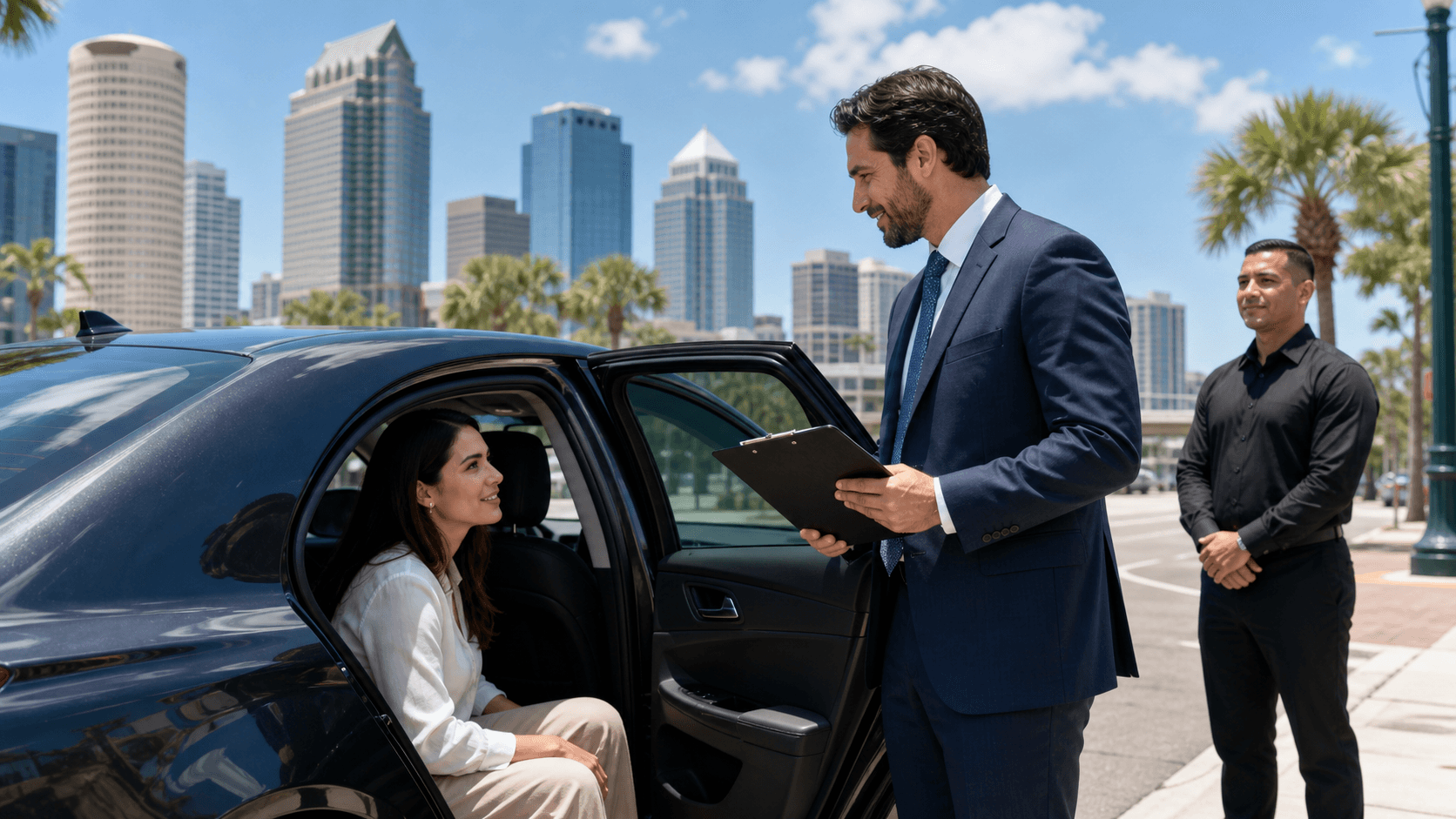
Right after an Uber or Lyft accident, your first job is safety. If you can, move to a safe spot away from traffic. Check yourself and others for injuries. Call 911 so law enforcement and medical help can come to the scene. Even if you feel "okay," ask for medical care. Some injuries hide at first, especially in the stress and adrenaline of a crash.
In rideshare cases, early evidence can make a big difference. There might be multiple drivers pointing fingers at each other. There are also several insurance policies in play, including rideshare coverage, personal auto coverage, and sometimes commercial or other policies. On top of that, the apps hold digital data that can help show what really happened, but that data can be hard to get later.
A Tampa Bay Uber accident attorney can step in early to help protect you. An attorney can move fast to preserve videos, app data, and witness information, and can deal with both drivers' insurers so you are not pushed into saying things that hurt your claim.
Understanding Who Can Be Liable in a Rideshare Crash
Several different people or companies may share blame for a rideshare crash. Sorting that out is one of the key parts of any case.
The rideshare driver may be at fault if they were careless, for example:
- Speeding to squeeze in more rides during rush hour
- Driving while distracted by the app, GPS, or texting
- Running a red light or stop sign
- Swerving through lanes in heavy rain or back-to-school traffic
The other driver can also be responsible. You might be a paying passenger in an Uber or Lyft when another car, truck, or motorcycle slams into you. Even though you trusted your rideshare driver, that other motorist's bad choices may be the main cause of the crash.
Rideshare insurance is a bit different from regular car insurance. Coverage often depends on what the driver was doing at the time, such as:
- App off: driver is on personal time, using personal auto insurance
- App on, waiting: some rideshare coverage may apply, along with personal insurance
- En route-to-pickup: higher rideshare coverage usually kicks in
- Passenger in the car: this is often when the highest rideshare limits apply
There can also be other liable parties:
- The owner of the vehicle if different from the driver
- An employer if the at-fault driver was working
- A bar or restaurant that overserved a drunk driver, depending on the facts and law
- Road construction crews or government entities responsible for unsafe conditions
How Florida Law Affects Your Uber or Lyft Claim
Florida has its own set of rules that affect rideshare crashes. One big part is the no-fault system, which includes Personal Injury Protection, often called PIP. PIP can help with medical bills and some lost income, no matter who caused the crash. It can apply to you as a rideshare passenger, another driver, or even a pedestrian hit by an Uber or Lyft, depending on the coverages in place.
There is also the serious injury threshold. To step outside the no-fault limits and bring a full negligence claim for pain and suffering, the law may require a certain level of injury. That can include:
- Permanent injuries
- Significant scarring or disfigurement
- Loss or serious limits of a bodily function
- Wrongful death for a loved one
Florida uses a comparative fault system. That means fault can be divided between the rideshare driver, the other motorist, and sometimes even the injured person. Your recovery can be reduced by your share of fault, so how the story of the crash is told, and backed up by proof, matters a lot.
Time limits also apply. Injury claims and wrongful death claims must be filed within certain periods under Florida law. Waiting too long can do more than risk the legal deadline. Rideshare trip records, app data, and video footage can be harder to find as time passes, and witness memories can fade or change.
Crucial Evidence That Proves Who Is at Fault
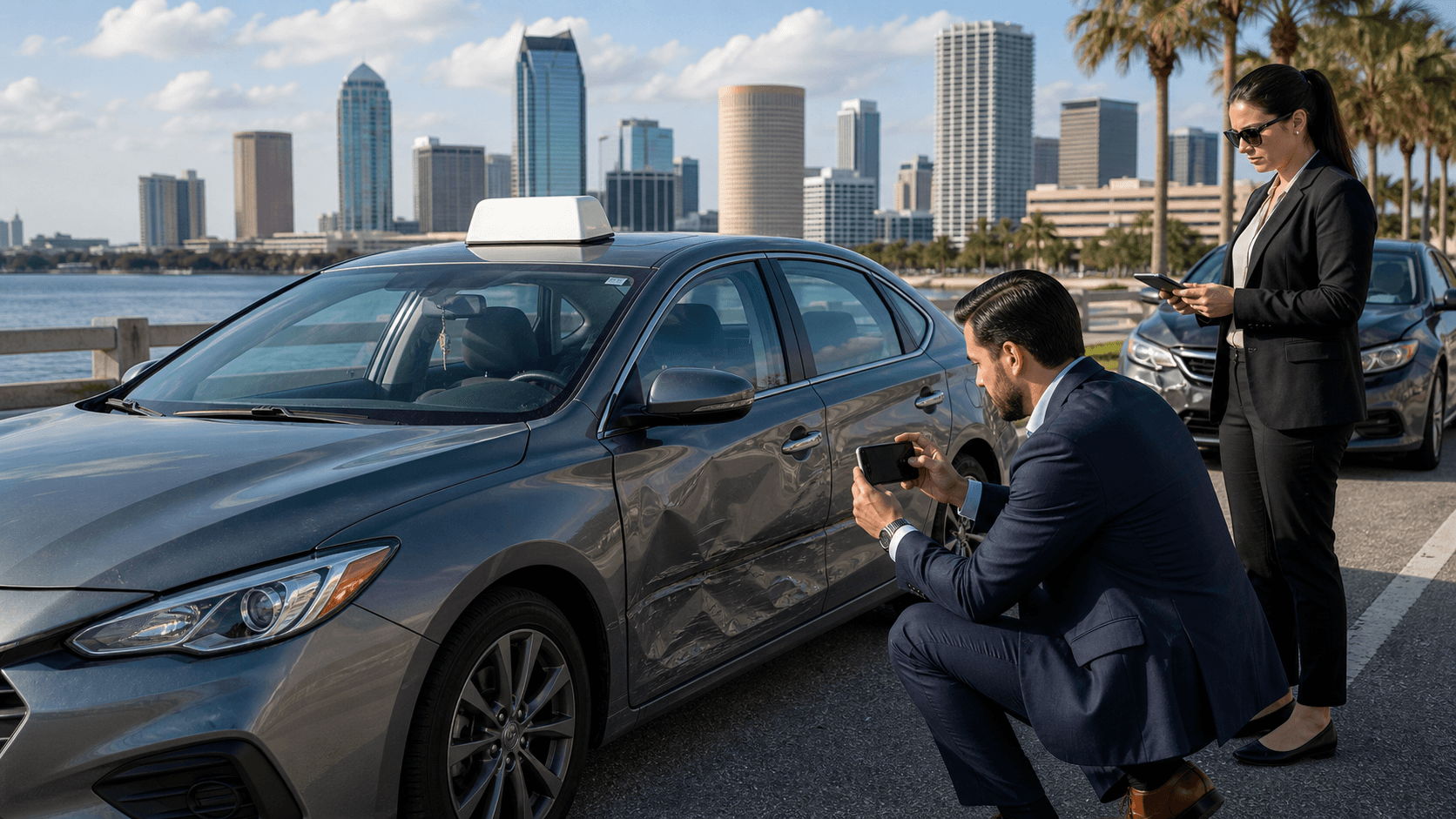
In Uber and Lyft cases, evidence is not just helpful, it is the backbone of your claim. At the scene, photos and videos can help tell the truth of what happened. Try to capture:
- The positions of the vehicles
- Skid marks, broken glass, and debris
- Damage to all cars and surrounding property
- Traffic signals, signs, and road markings
- Weather and lighting conditions
Later, your attorney may seek 911 audio, store or gas-station surveillance, nearby home cameras, and dash cam recordings. These can sometimes catch the crash itself or show how a driver was behaving just before impact.
Digital rideshare data is also key. Trip logs, timestamps, pickup and drop-off points, and GPS tracking can show speed, route, and timing. In-app messages and driver acceptance history may help show whether the driver was distracted or rushing. Past ratings or complaints, when available, can highlight patterns of unsafe driving.
Driver-focused information can matter too, such as:
- Cell phone records that show calls or texts around the time of the crash
- Driving history, including prior crashes or tickets
- Vehicle maintenance records
- Any alcohol or drug test results if those are part of the case
Finally, there is the medical and life impact evidence. ER records, doctor notes, X-rays or MRIs, and physical therapy notes help link the crash to your injuries. Pay stubs, employer letters, and your own notes about pain, sleep, mood, and daily limits show how the crash changed your life.
Steps to Protect Your Rights After a Tampa Bay Rideshare Wreck
There are a few basic steps you can take to guard your rights after a rideshare crash.
At the scene:
- Call law enforcement so a report is made
- Get all drivers' names, phone numbers, license plate numbers, and insurance details
- Ask for the rideshare driver's app screen that shows the active trip, if safe
- Look for witnesses and politely ask for their contact information
When dealing with the apps and insurance companies, report the crash through Uber or Lyft, but keep your statements short and factual. Avoid guessing about fault or your injuries. With insurance adjusters, it is usually safer not to give a recorded statement without legal guidance.
Get prompt medical follow-up, even if you walked away from the scene. Some injuries, such as soft-tissue damage or concussions, often show up later. Follow your doctor's advice and keep a simple symptom journal. Note pain levels, headaches, dizziness, trouble sleeping, or anything that feels different than before.
An Uber accident attorney in Tampa Bay can help control the flow of information, stop insurance pressure, request rideshare digital data before it disappears, and coordinate records that show the financial and physical impact of the crash.
Why Massaro Law Is the Legal Backseat Driver You Need Now
At Massaro Law, we focus our work on people hurt in personal injury crashes, including Uber and Lyft accidents in the Tampa Bay area. When we take on a rideshare case, we move quickly to protect what matters. That can include getting photos and video from the scene, requesting electronic trip records and app data, and speaking with witnesses while memories are still fresh. When needed, we work with accident reconstruction professionals to help explain how and why the wreck happened.
We prepare every case as if it may go to trial, which helps us push back against insurers that try to downplay injuries or blame someone else. We keep our clients updated in plain language so they understand what is happening at each step. As a local firm, we know the common crash spots, local roads, and how insurance defense teams tend to respond to rideshare claims in this area. This local insight, combined with our client-first approach, guides how we build and present your rideshare case from day one.
Protect Your Rights After an Uber Crash Today
If you were hurt in a rideshare collision, our team at Massaro Law is ready to help you understand your options and take the legal stress off your shoulders. Speak with an experienced Uber accident attorney in Tampa Bay who can evaluate your case and explain what compensation you may be entitled to pursue. We will gather the facts, deal with the insurance companies, and work to move your claim forward efficiently. To get started, you can contact us for a confidential consultation.