When a School Zone Crash Shatters a Normal Day
A normal Tampa school drop-off or pickup can change in a second. One moment you are creeping along in the car line, watching the crossing guard, waving to your child. The next moment a driver is not paying attention, slams the gas instead of the brake, and hits the car line or a crosswalk area. Horns blare, kids scream, backpacks spill, and your heart drops.
When a crash happens in a school zone, the fear feels different. There are children everywhere, school buses, staff, and neighbors watching. Parents worry about broken bones, but also about concussions, trauma, and how this will affect school and activities. Our goal is to walk through what to do in those first minutes, how to protect your child medically and legally, how to work with the school and insurance companies, and when it may help to speak with a car accident lawyer in Tampa. This is especially important during the busy end-of-the-school-year rush in May, with extra field trips, sports, and after-school traffic packing the same school zones.
First Minutes After the Crash: Protecting Your Child
After a crash, your child will look to you first. Your voice and actions can bring calm to a very scary scene.
Start by focusing on safety:
- If your car can move, pull over to a safe spot away from traffic
- Turn on hazard lights so others see you
- Try not to block crosswalks or bus lanes if you can safely avoid it
Keep your child inside the vehicle unless there is a serious danger like fire, heavy traffic coming toward you, or leaking fluids. Children do not always see risks the way adults do, so remind them not to run between cars or near buses. Use simple, steady words, such as "We were in a crash, but I am here and we are getting help."
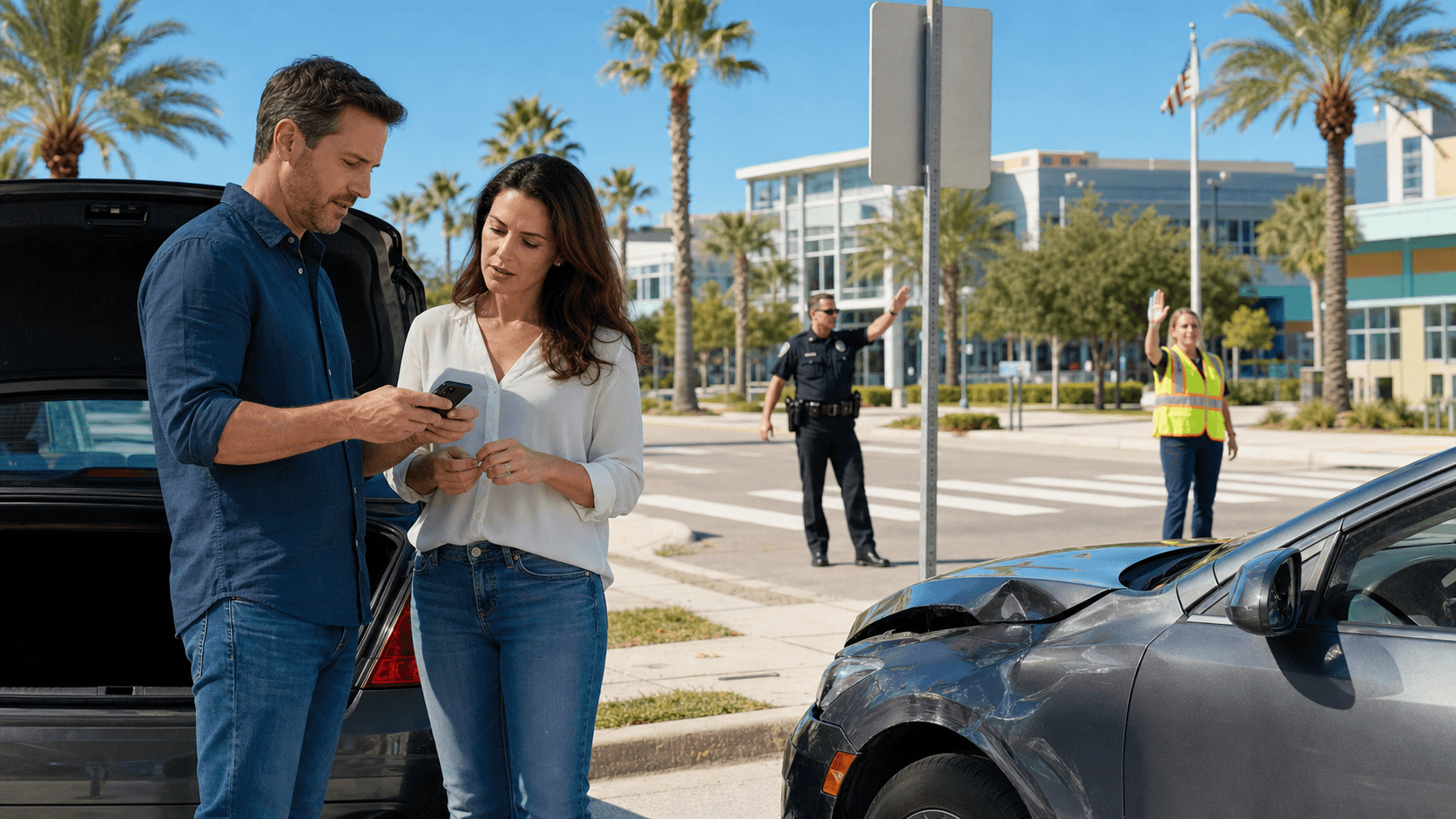
Always call 911 for a school zone crash, even if the damage looks small. Children, school property, or a school bus may be involved, and you want both police and EMS on the way. An official crash report and EMS records are important for any insurance claim and any future legal case. When officers arrive:
- Share your license, registration, and insurance
- Explain what you saw and heard without guessing about fault
- Let them know about every person who might be hurt, even if injuries seem minor
You will also want to notify key people around you. Tell the crossing guard, bus driver, or a staff member right away so they can follow school safety steps and help direct traffic or students. Exchange information with every driver involved, including any bus or transportation workers. If other parents, teachers, neighbors, or older students saw what happened, ask for their names and contact details while they are still at the scene.
Getting Medical Care for Your Child After a Crash
Many kids say "I'm fine" because they are scared, embarrassed, or worried about missing fun plans. But the body's stress response can hide pain at first. Some injuries like concussions, internal injuries, or soft tissue strain often show up hours or days later.
It is usually wise to have your child checked as soon as you can, even after what looks like a simple fender bender. This can be at:
- An ER, if there is head impact, heavy pain, or serious symptoms
- An urgent care clinic
- Your child's regular pediatrician
In the hours and days after the crash, watch closely for changes, even small ones. Warning signs in children can include:
- Headaches, dizziness, nausea, or vomiting
- Unusual sleepiness, trouble waking up, or trouble falling asleep
- Mood changes like irritability, clinginess, or anger
- Problems paying attention, reading, or doing homework
- Neck or back pain, stiffness, or limping
- New fears about riding in a car, getting near the street, or going to school
Look for bruises from seat belts or car seats and note any change in appetite or bathroom habits. If a doctor suggests a pediatric neurologist, orthopedist, therapist, or other specialist, try to follow through.
Keep every record you get. That includes:
- ER or doctor visit notes and discharge papers
- Test results and prescriptions
- Orders for physical therapy, counseling, or follow-up visits
If your child leaves school early, misses days, or needs changes like no PE, limited recess, or extra time on tests, ask the school to put this in writing. All of this documentation helps show how the crash impacted your child and can be very important if a car accident lawyer in Tampa later builds a claim.
Dealing with the School, Bus Company, and Insurers
Clear communication helps keep your child safe and supported at school. Tell the principal, school nurse, and main teacher about the crash, the diagnosis, and any activity limits. If the crash was on school grounds, involved a bus, or happened in a school crosswalk, ask how the school records these events and whether there is an incident report.
Work together on simple adjustments, such as:
- A quieter space for rest if headaches start
- Shorter days for a short period
- No sports, band, or dance until a doctor clears your child
- Extra time on tests or homework while they recover
You can expect calls from insurance companies, sometimes very quickly. This may include:
- Your own auto insurance
- The other driver's insurance
- A bus company or other transportation company's insurer
Be careful with these calls. Try not to give a recorded statement about how the crash happened or about injuries until you understand your child's full medical picture. Avoid guessing about long-term effects, and do not feel rushed into taking a quick settlement when you are still focused on your child's care.
School zone crashes can involve more than one person or company that might be responsible, such as a speeding or distracted driver, a school bus driver, a private transportation service, or an entity responsible for broken signs or confusing crosswalk markings. There may also be multiple insurance policies in play. A local lawyer who handles these cases can investigate, look for traffic or school camera footage, and sort out all possible sources of compensation.
Protecting Your Family's Legal Rights in Tampa Bay
School zone crashes can be legally more complex than a typical rear-end crash on a regular street. Special rules apply to school zone speed limits, crosswalks, and stopping for school buses. Florida child passenger safety rules about car seats and boosters can also enter into fault and injury questions. When public schools or other government bodies are involved, there can be special notice deadlines and extra steps that must be followed correctly.
May is often packed with extra events around Tampa and Pasco County schools, like awards nights, graduations, and camps, which can create even more distraction and traffic. This busy time can make it especially important to gather and keep evidence while it is fresh.
Helpful evidence can include:
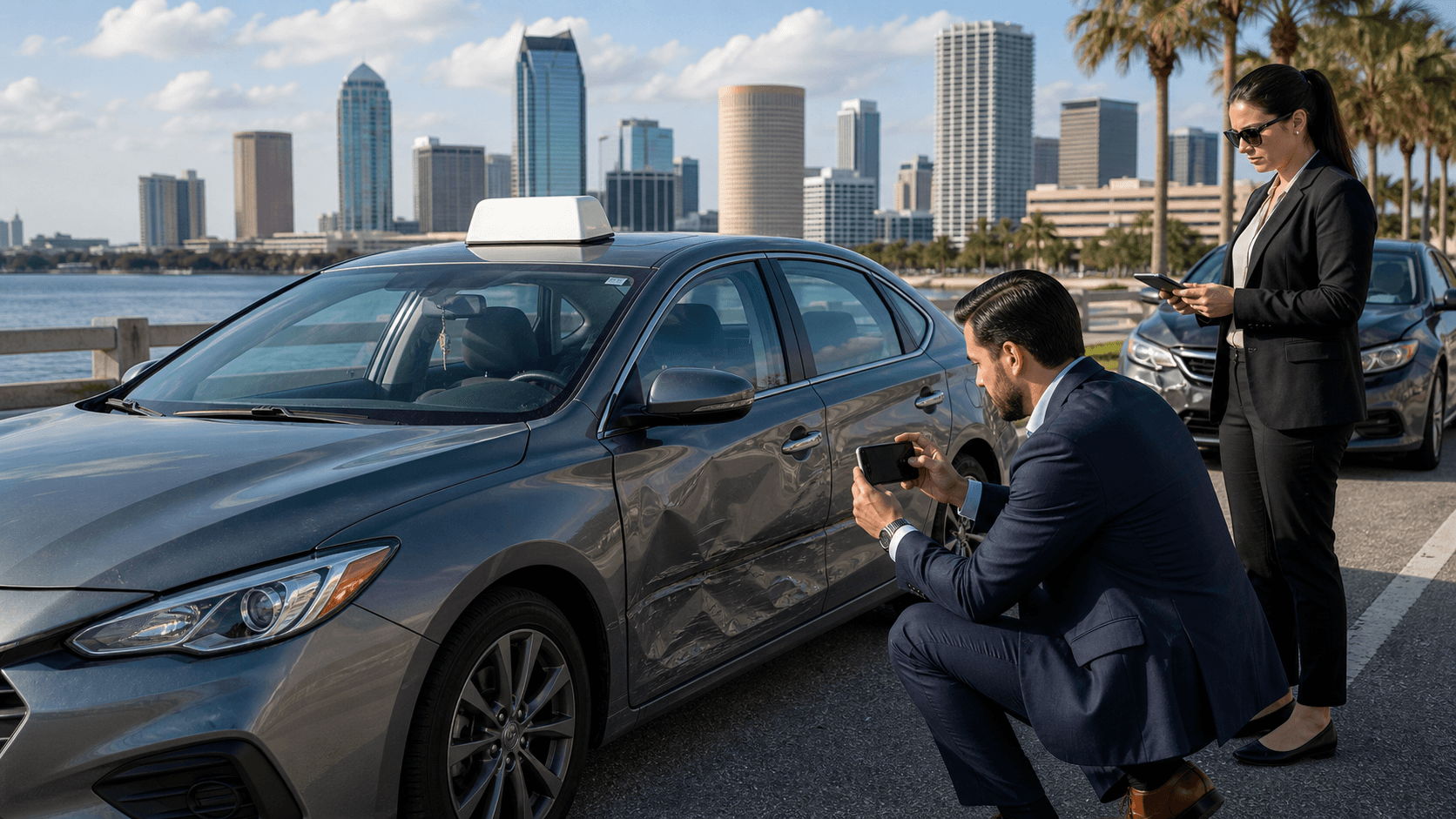
- Photos or video of vehicle damage, skid marks, and where the cars ended up
- Photos of crosswalks, school zone lights, speed limit signs, and any blocked views
- Pictures of visible injuries like bruises, scrapes, or swelling
Keep your child's car seat or booster, even if you plan to replace it. Do not throw it away until you are sure it is not needed for your case. A simple journal can also help. Write down your child's daily pain levels, mood changes, sleep problems, missed practices or games, and any ways the crash has changed family routines.
A Tampa injury lawyer familiar with local school zones and courts can take on many of the stressful parts, like dealing with insurance companies, gathering evidence, and working with medical experts who understand children's injuries and trauma. The goal is to seek fair compensation for medical care, therapy, and the impact on school, sports, and everyday life, while you stay focused on your child's healing.
Taking the Next Step to Safeguard Your Child's Future
When a school zone crash turns a normal day upside down, it is easy to feel overwhelmed. By staying as calm as you can, getting prompt medical care, keeping good records, and being careful with insurance calls, you give your child and your family a stronger foundation going forward.
At Massaro Law, we focus on helping injured people and families in Tampa Bay and Pasco County. Our trial lawyer, Vincent Massaro, has experience representing children and families in personal injury cases, including those involving school zones and car crashes. If you have questions about what happened, your child's medical bills, or what to expect next, speaking with a car accident lawyer in Tampa can help you understand your options and plan your next steps.
Take The Next Step Toward Fair Compensation
If you were injured in a crash and are unsure what to do next, we are ready to review your situation, answer your questions, and explain your options. Speak with a dedicated car accident lawyer in Tampa so you are not facing insurance companies and legal deadlines on your own. At Massaro Law, we focus on building strong cases and keeping you informed at every stage. Reach out today through our contact us page to schedule a free consultation.