When Misjudged Speed Turns a Tampa Drive Dangerous
Misjudging speed sounds small, like a simple slip in judgment. But on Tampa roads, a small speed mistake can turn into a violent crash in just a second. When you mix fast cars, heavy traffic, and split-second choices, there is not much room for error.
On I-275 during rush hour, beach routes clog on weekends, or around the stadium after a big event, drivers weave, brake, and dart into gaps. One driver thinks an oncoming car is farther away than it is, pulls out for a left turn, and that car is on them before they can clear the lane. The crash is sudden, the impact is hard, and everyone is left asking what went wrong.
That leads to a big question: when is a misjudged speed just a human mistake, and when does it cross the line into legal negligence that may give an injured person the right to seek compensation? That is what we are breaking down here.
How Misjudging Speed Causes Serious Tampa Crashes
On Tampa roads, misjudging how fast another car is going shows up in a few common ways. These are everyday driving moves that become dangerous when timing and speed are off by even a little.
Typical situations where drivers misjudge speed include:
- Left turns across oncoming traffic at busy intersections
- Merging onto I-275 or the Veterans Expressway
- Lane changes in tight, stop-and-go traffic
- Pulling out from side streets or shopping center driveways into faster main roads
Our area also has its own local risk factors that make these speed mistakes more likely:
- Seasonal tourism brings many drivers who are unfamiliar with local roads and traffic patterns
- Frequent afternoon rain showers leave roads wet and slick, especially as late spring goes on
- Heavy beach traffic, stadium events, and weekend outings create long lines of impatient drivers
When speed is misjudged, the crash types can be severe:
- Rear-end collisions when a driver thinks they have more time before the car ahead stops
- T-bone crashes when someone turns left without enough distance from oncoming traffic
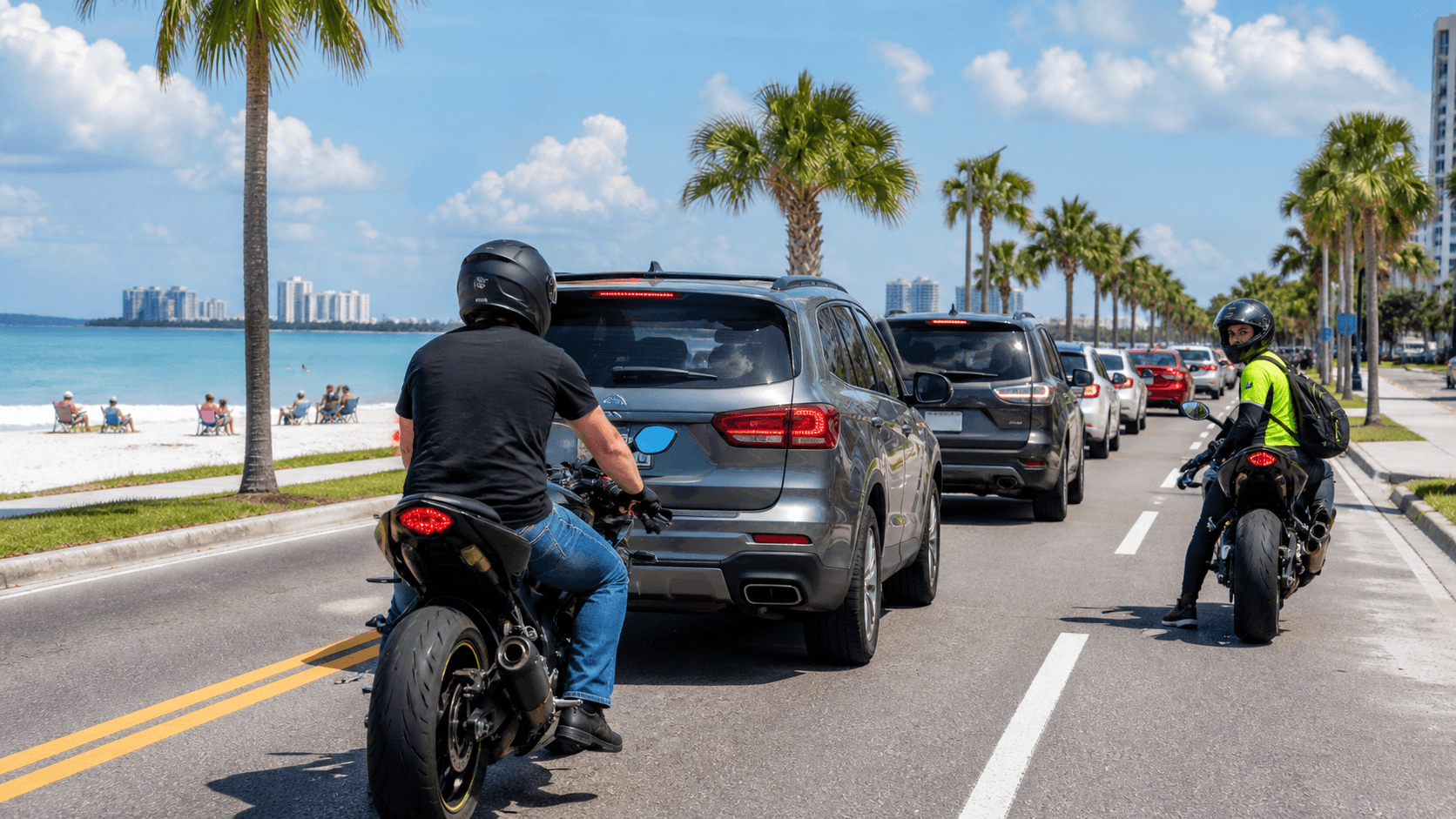
- Motorcycle knockdowns when a driver misreads a bike's speed and pulls out in front
- Multi-vehicle pileups when one miscalculation in heavy traffic leads to chain reactions
These crashes often lead to neck and back injuries, broken bones, head injuries, and lasting pain. Even a "low-speed" impact can hurt more than people expect, especially when the body is twisted or braced at the moment of impact.
When Misjudged Speed Becomes Legal Negligence
Legally, a crash is not about perfection. The law does not require drivers to be perfect, only reasonably careful. Negligence means a driver failed to act as a reasonably careful driver would under the same conditions.
Misjudging speed may cross into negligence when:
- A driver speeds up to beat a yellow light instead of slowing down
- Someone tailgates or follows too closely, especially in heavy traffic
- A driver does not leave extra space in rain or on wet roads
- A person makes a left turn with clearly not enough time or distance
The key idea is this: would a reasonably careful driver have made the same choice in that moment? If not, and that choice helps cause a crash, it may be negligence.
Florida uses comparative negligence rules. That means fault can be shared when more than one person made unsafe choices. For example:
- One driver may have been speeding
- The other may have turned left without a safe gap
In that situation, both drivers may be found partly at fault. The amount of compensation an injured person can recover may be affected by their share of blame. These shared-fault questions are common in speed and timing crashes, which is why careful review of the facts is so important.
Proving a Driver Misjudged Speed After a Crash
After a crash, drivers do not always agree on what happened. One might say, "They came out of nowhere." The other might say, "They were flying." To sort this out, a car accident lawyer in Tampa looks for objective proof.
Evidence that can help show misjudged speed includes:
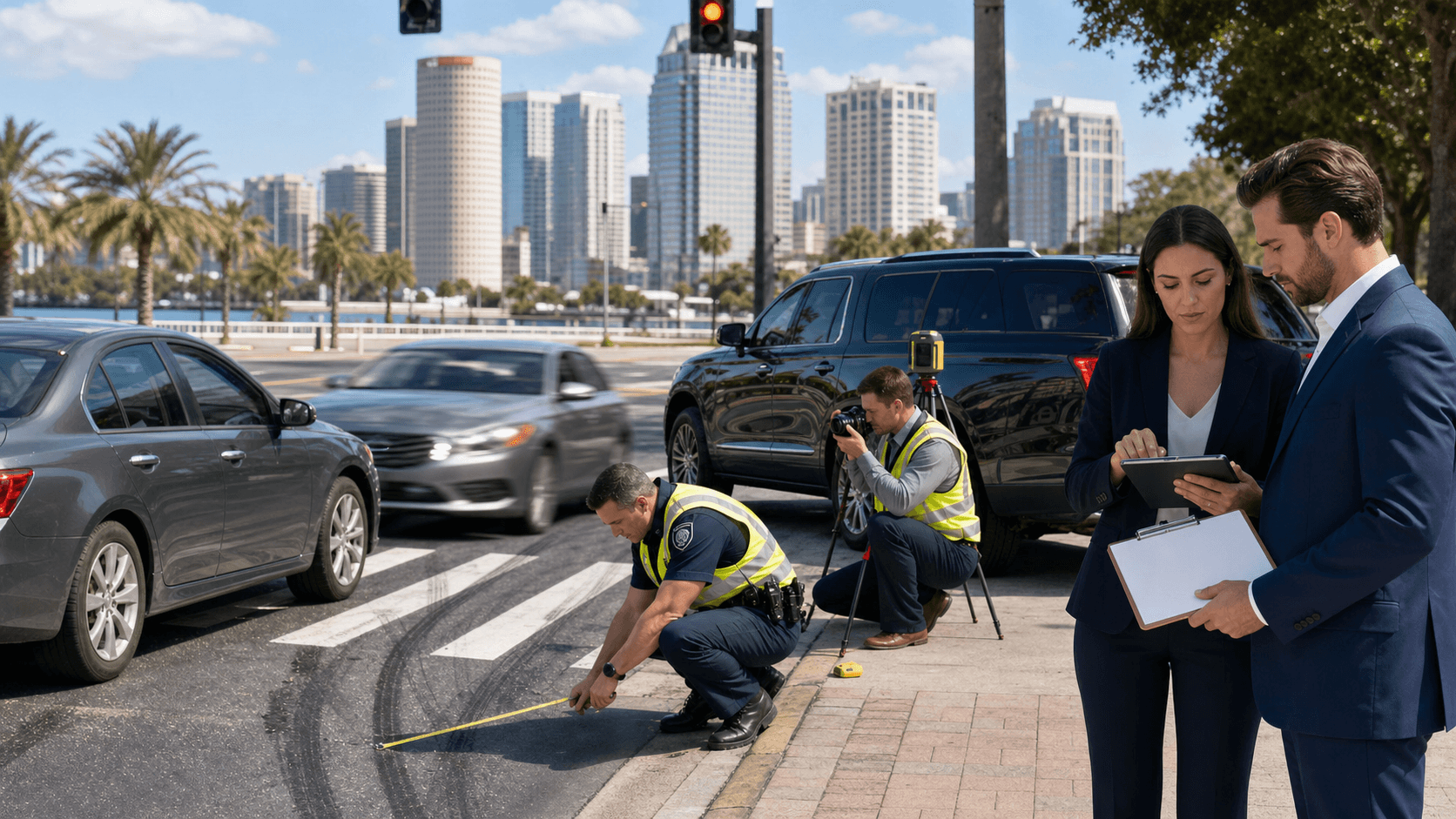
- Skid marks and where vehicles came to rest
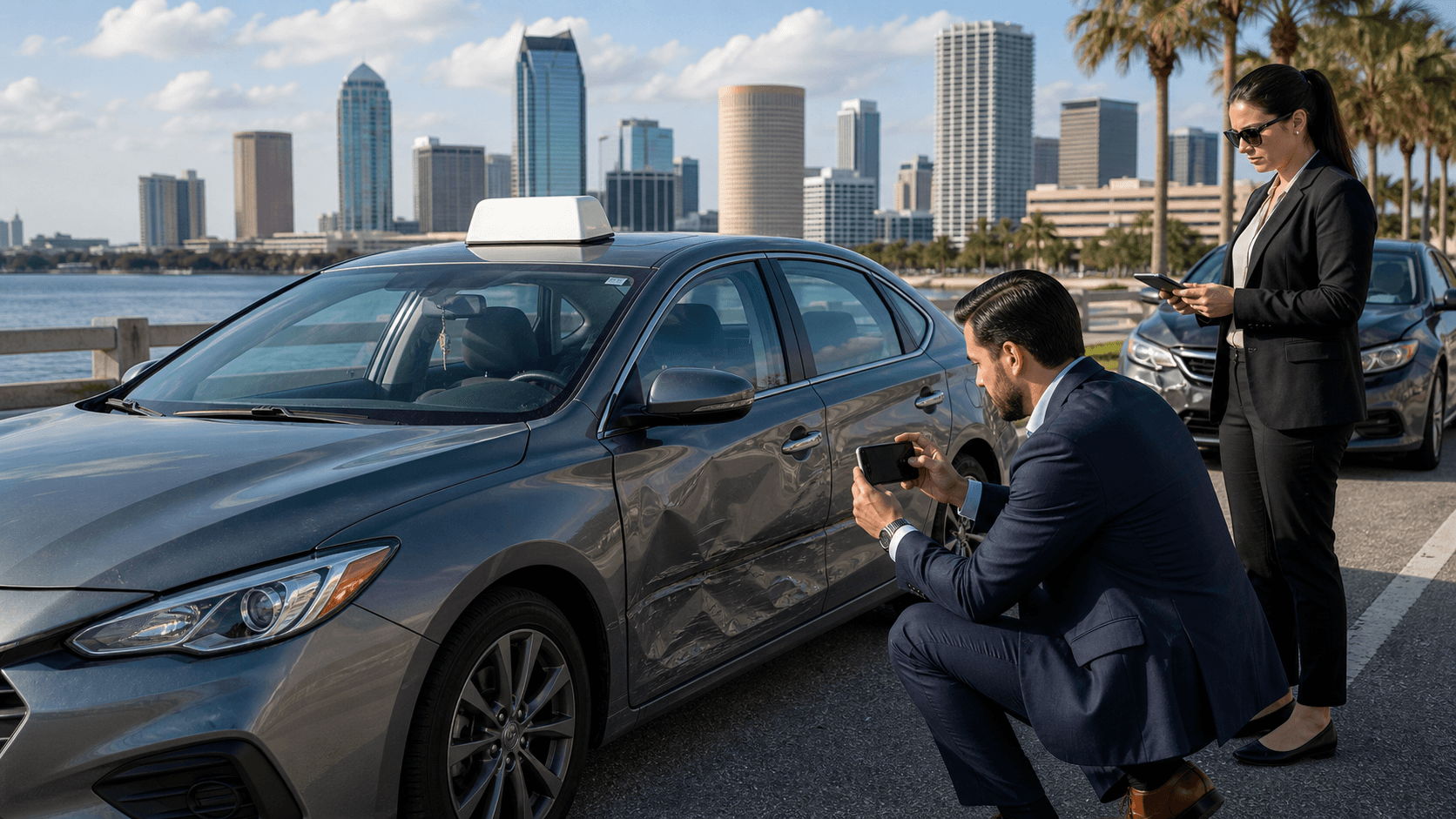
- The type and location of damage on each vehicle
- Black box or event data recorder (EDR) information from the cars
- Intersection cameras, traffic cameras, or nearby security videos
- Dash cam footage from any involved vehicle
Witness statements are also very important. People standing nearby or sitting in other cars often notice which vehicle seemed to be speeding or which one pulled out too late. Accident reconstruction experts can study all of this and then explain how fast each vehicle was likely going and how the crash unfolded.
Acting quickly after a crash matters. Seasonal visitors who saw the collision may leave town and be hard to find later. Vehicles get repaired or scrapped. Weather washes away skid marks. The sooner evidence is gathered and preserved, the clearer the picture of misjudged speed can be.
How Insurance Companies Fight Speed-Related Claims
Insurance companies commonly push back hard on speed and timing cases. They know that if they can raise doubt, they may pay less or nothing at all.
Common insurance arguments include:
- Blaming the crash on a "sudden stop" by the car in front
- Claiming the injured driver was speeding or driving aggressively too
- Saying traffic conditions made the crash "unavoidable"
- Arguing that injuries are not as serious as reported
An experienced car accident lawyer in Tampa responds by building a clear, detailed story of what really happened. That often means:
- Matching vehicle damage and medical records to impact forces
- Using timeline evidence, like phone records and camera footage
- Comparing the drivers' stories with physical proof and witness accounts
A lawyer who understands how insurance defense teams think can spot weak arguments and highlight facts that matter, instead of letting the case get lost in blame and guesswork.
What to Do After a Suspected Speed Misjudgment Crash
Right after a crash, it is easy to feel shaken and unsure what to do. Your first focus should always be safety and health, but some simple steps can also protect your rights.
Helpful actions include:
- Call 911 so police and medical help can come to the scene
- Get medical care, even if injuries feel minor at first
- Take photos or video of the scene, vehicles, road conditions, and any skid marks
- Gather names and contact information for witnesses if you can
- Note nearby businesses or homes that might have cameras
Try not to say things that can be twisted into an admission of fault, such as "I did not see them" or "I thought I had enough time." These comments may sound harmless, but insurance adjusters may use them against you later.
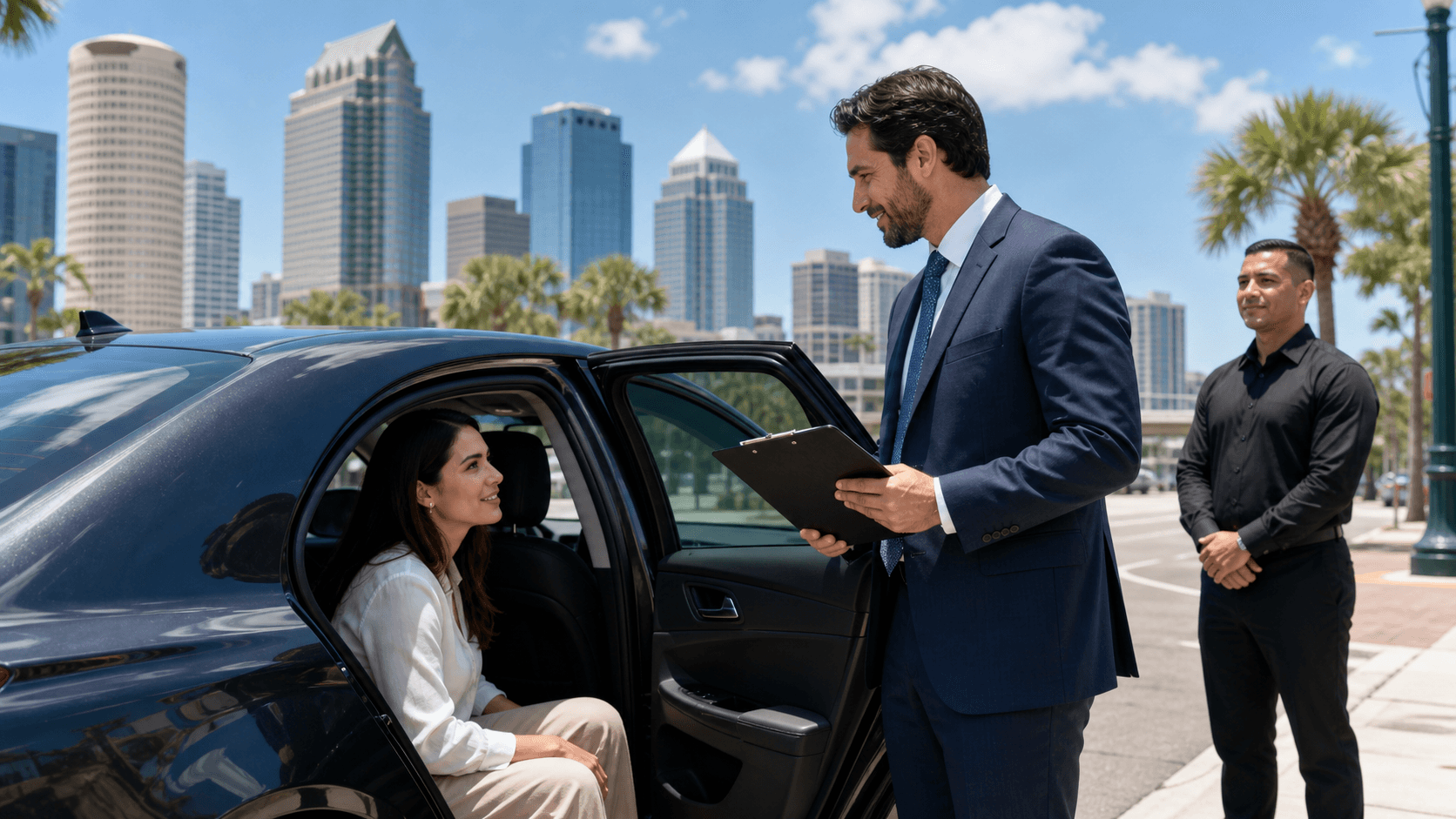
It is also smart to speak with a Tampa injury attorney as soon as you can after the crash. They can help preserve critical evidence, handle calls and letters from insurance companies, and explain important time limits that may apply to your injury claim.
Take Control After a Speed-Related Tampa Collision
A crash caused by misjudged speed can turn your life upside down in seconds. Medical visits, missed work, car repairs, and pain can all pile up fast, and it may feel unfair when you know another driver made a careless choice.
A car accident lawyer in Tampa can review how the crash happened, look for proof that another driver misjudged speed, and help pursue compensation for medical bills, lost income, and the impact on your daily life. At Massaro Law, we focus on careful, client-centered advocacy and draw on deep experience with insurance defense strategies to protect the people we serve.
Take The Next Step Toward Securing Your Recovery
If you or a loved one has been hurt in a crash, our team at Massaro Law is ready to review your situation and explain your options. Speak with an experienced car accident lawyer in Tampa so you are not left dealing with insurance companies on your own. We will walk you through what to expect, the timeline of your claim, and how we can help protect your rights. To schedule a consultation, simply contact us today.