Rear-end crashes are all over Tampa Bay roads. Stop-and-go traffic, sudden thunderstorms, and people rushing between work, school, and the beaches mean one quick mistake can leave you hurt and confused on the side of the road. What many people do not realize is that important proof of what really happened can slip away in just a few hours.
This lost proof can make a strong injury claim look weak. Small details at the scene, in your phone, in your car, and in your medical records can mean the difference between fair money and a low offer. We want to walk through the types of evidence people miss after a rear-end crash and how an experienced car accident lawyer in Tampa can help protect it before it is gone.
Hidden Crash Evidence That Can Cost You Thousands
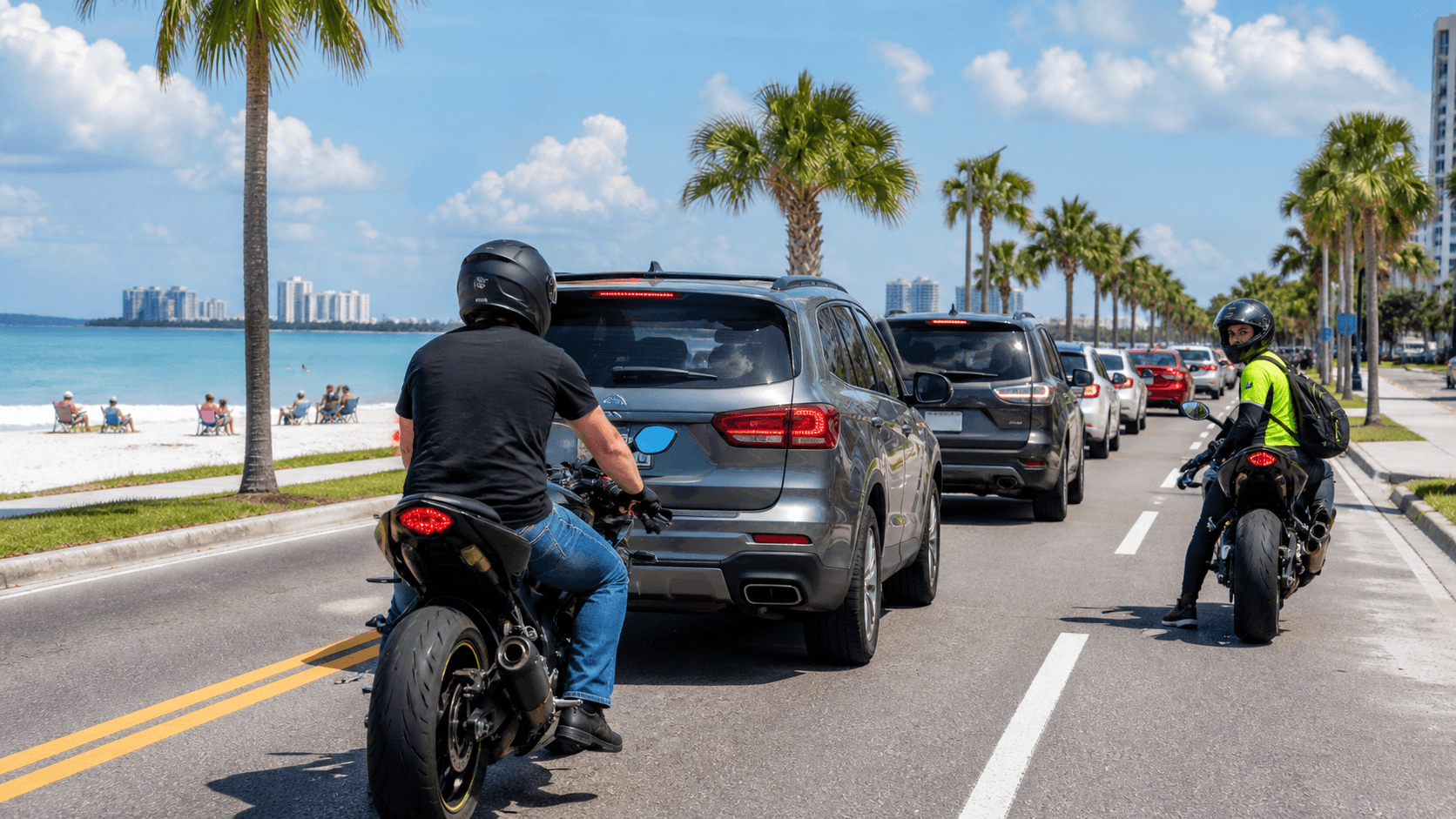
Rear-end crashes are common all across Tampa Bay, especially when:
- Afternoon storms make the roads slick
- Tourists are trying to find the right exit or hotel
- Traffic backs up near bridges, malls, and big events
In that chaos, it is easy to focus only on exchanging insurance info and getting the car towed. But while everyone is rushing around, proof that shows who was really careless can disappear.
Here is what often gets lost early:
- Photos of the scene and vehicles
- Names and contact info for any witnesses
- Video from nearby cameras or dashcams
When this proof is missing, insurance companies can claim the impact was gentle, that you stopped too fast, or that your injuries must come from something else. A local lawyer who knows Tampa roads and traffic patterns can step in quickly to spot what matters and move to save it.
Overlooked Scene Details That Tell the Real Story
The crash scene itself holds a lot of truth. Even small details matter, such as:
- Heavy traffic that made the rear driver follow too closely
- Road construction that narrowed lanes or blocked views
- Wet pavement from an afternoon storm that called for slower speeds
- Sun glare that should have made a careful driver even more alert
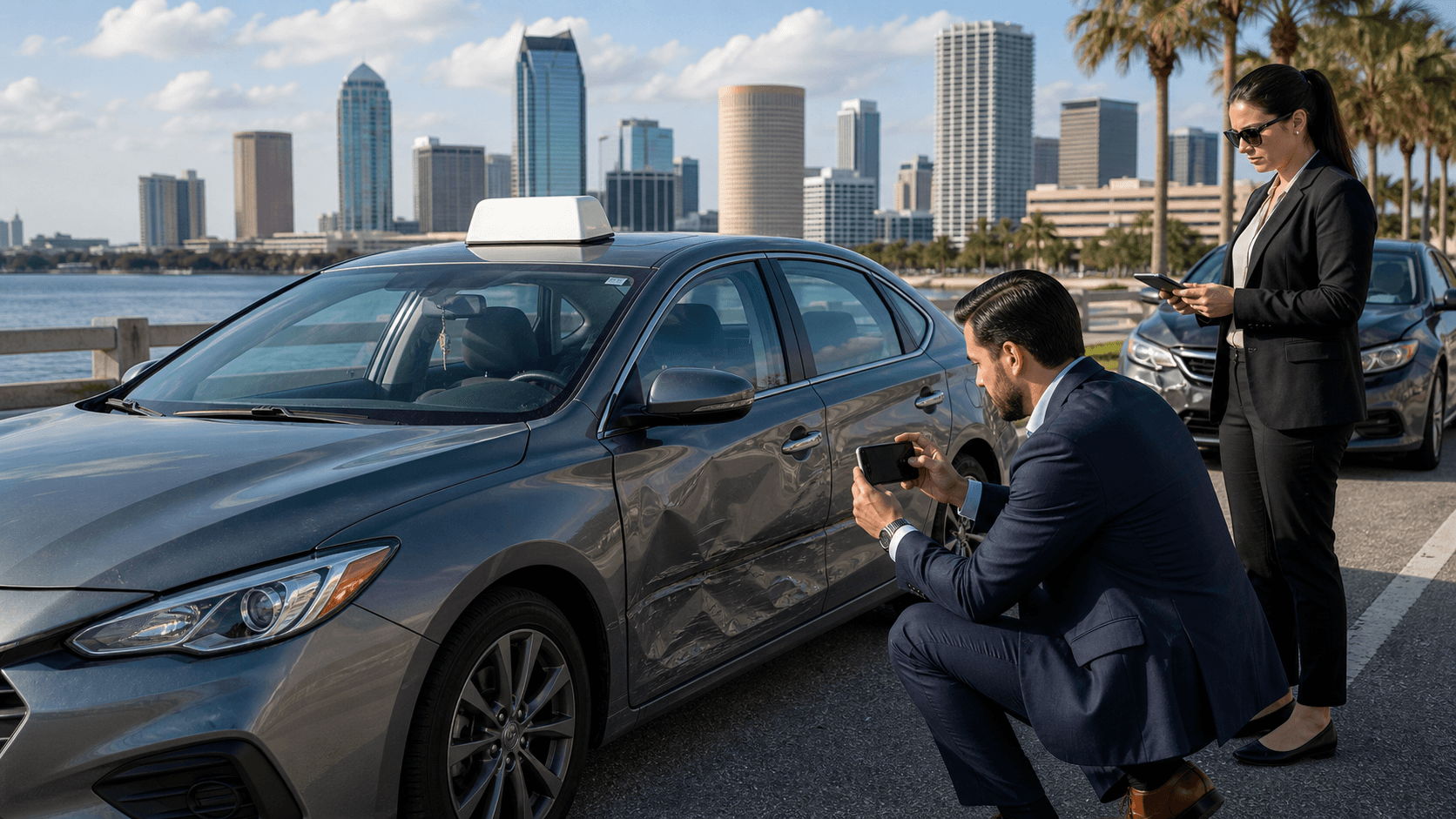
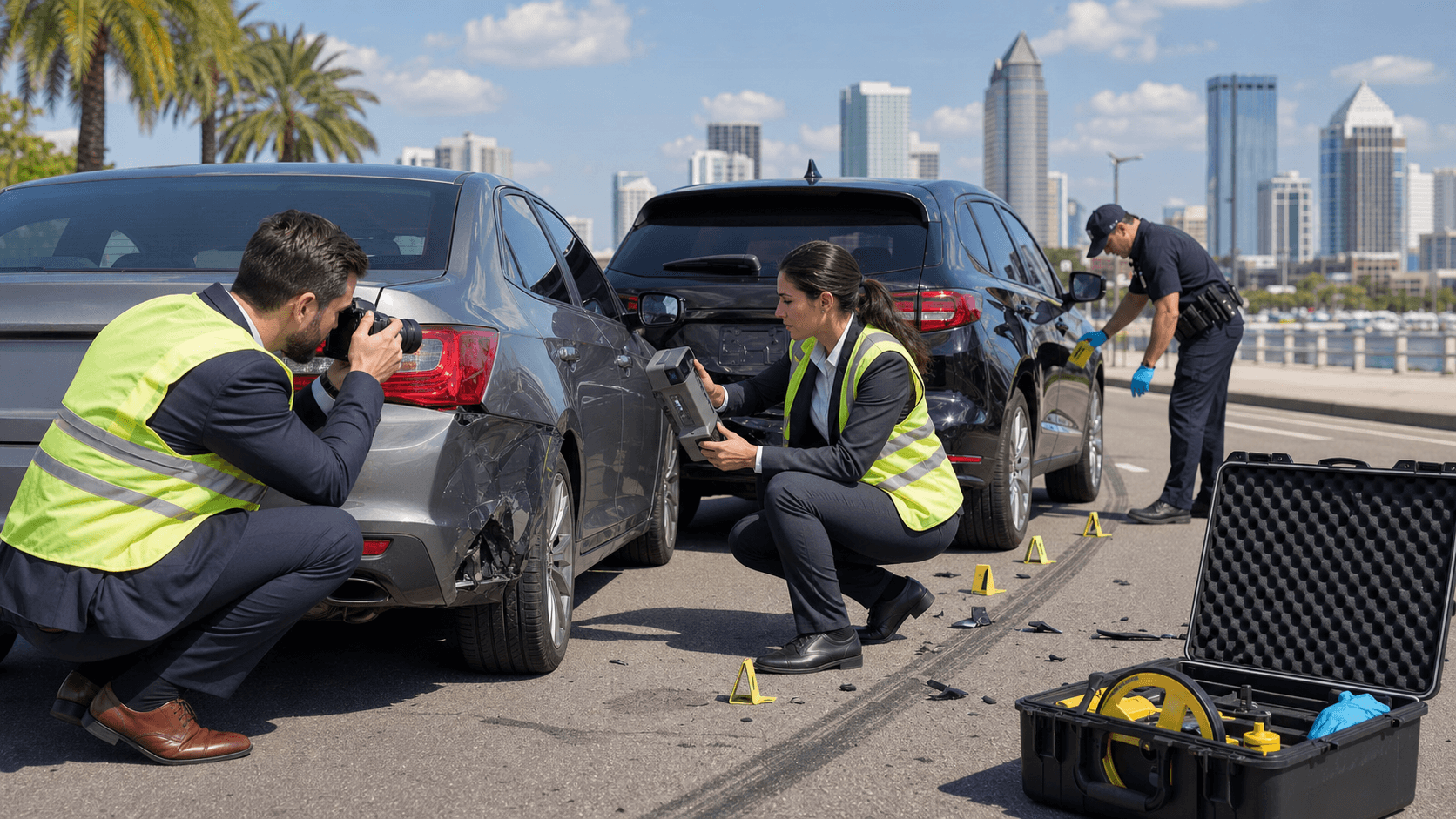
Photos and videos are huge here. They can show:
- Where each car ended up
- Skid marks or the lack of them
- Debris patterns on the road
- Crumple zones and damage lines on each vehicle
Without those images, an insurer can argue the hit was just a "tap" or that your car already had damage. Also, witnesses who clearly saw the crash can back up your story, but they are hard to find once everyone leaves.
Helpful sources that often get missed include:
- Dashcam footage from your car or another driver
- Security video from nearby stores or offices
- 911 recordings that capture how shaken and hurt people sounded right after the crash
These recordings are often kept only for a short time. A delay of even a few days can mean they are erased.
Digital Trail Evidence Most Drivers Never Request
Modern vehicles carry their own kind of witness: the event data recorder, often called a black box. Many newer cars and trucks on Tampa roads store information from the seconds before a crash, such as:
- Speed
- Braking
- Seat belt use
- Throttle position
This can help show the rear driver failed to slow down or was going much faster than they now claim. But this data can be lost if the vehicle is repaired, sold, or totaled without a proper download.
Phones can also tell an important story. Phone records and app data can sometimes show:
- Texting just before impact
- Using social media while driving
- Calls or app activity at the time of the crash
Insurance companies rarely offer up this information on their own. It often takes:
- Preservation letters to drivers, companies, and carriers
- Subpoenas to phone providers or app companies
- Requests to rideshare or fleet owners for trip and GPS data
A lawyer who understands how this digital trail works can push to secure it before it is deleted or overwritten.
Medical Evidence Gaps That Undercut Serious Injuries
Right after a rear-end crash, a lot of people try to be "tough" and hope the pain fades. They may skip the ER, wait a week to see a doctor, or miss follow-up visits when life gets busy. Insurance companies love these gaps.
They often argue:
- If you were really hurt, you would have gone in right away
- Skipped appointments mean you must be better
- New complaints are not related to the crash
Strong medical proof usually includes:
- Prompt checks at an ER, urgent care, or doctor's office
- Clear notes about neck, back, head, or shoulder pain
- Diagnostic tests like MRIs or CT scans when needed
- Referrals to specialists when symptoms do not improve
Common rear-end injuries in Tampa crashes include whiplash, herniated discs, and concussions. These do not always show up on simple X-rays. It helps to have a lawyer who knows how to read medical records, talk with your providers, and connect the dots from the crash to the ongoing pain that affects your daily life.
Insurance and Police Records That Need a Closer Look
Police crash reports can be helpful, but they are not perfect. The officer usually did not see the crash happen. They depend on:
- What each driver says
- What a few witnesses share on the spot
- What is visible in a short time at the scene
If a key witness left early or an officer misunderstood the positions of the cars, the report may look worse for you than it should. Early talks with insurance adjusters can also cause problems. A quick comment like "I am fine" or "I did not see him" can be twisted later.
Things that deserve a second look include:
- Police diagrams and narrative sections
- Recorded statements you gave to any insurer
- Property damage photos and repair estimates
- How the medical findings match the force of the impact
A careful review can uncover errors and gaps. Sometimes extra statements, new witness info, or better photos of the vehicles can help challenge a low offer.
How Massaro Law Protects Crucial Evidence After a Crash
At Massaro Law, we focus our work on people hurt by negligence, including those injured in Tampa Bay rear-end crashes. Our team moves quickly to protect evidence so it does not slip away.
That process can include:
- Visiting the scene to photograph traffic patterns, signs, and road conditions
- Tracking down and speaking with witnesses before memories fade
- Sending letters to preserve black-box data, phone information, and camera footage
- Coordinating inspections of vehicles before repairs or salvage
Because our firm has deep experience on the insurance defense side, we understand how insurers look at claims, what they try to attack, and what they hope you miss. We use that background to build cases that are ready for close review, not just quick settlement.
We also put the client first. That means staying in touch, helping organize medical records, and encouraging detailed notes about pain, missed work, and daily struggles. By treating each case as if it could go to trial, we signal that your claim is serious and supported by real, solid proof.
Protect Your Rights After A Car Accident Today
If you were hurt in a crash, we are ready to listen to your story, explain your options, and take on the insurance company for you. Speak with an experienced car accident lawyer in Tampa at Massaro Law so you are not navigating the claims process alone. We will review your case, answer your questions, and outline a strategy focused on your recovery. To get started, simply contact us for a free consultation.