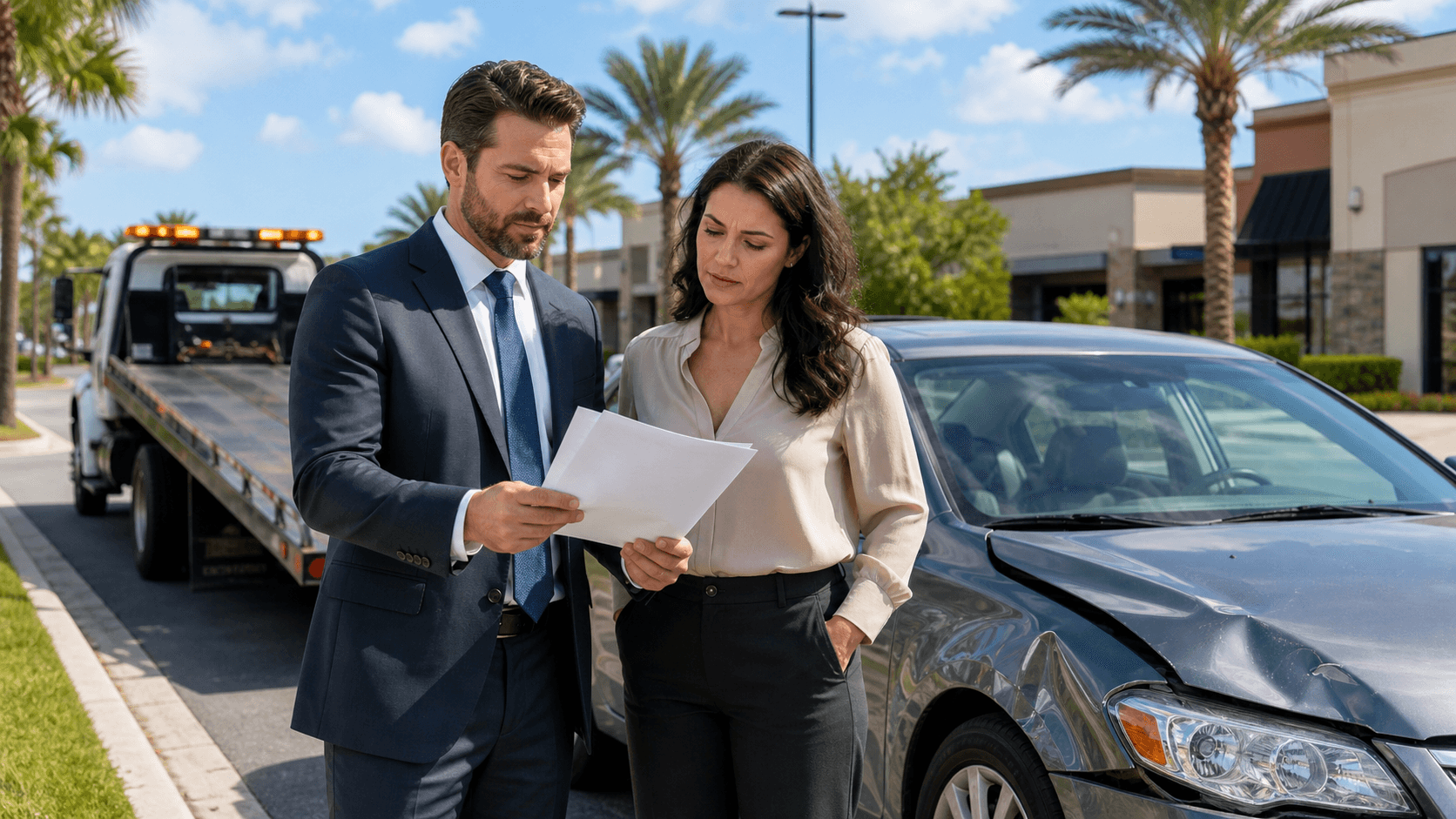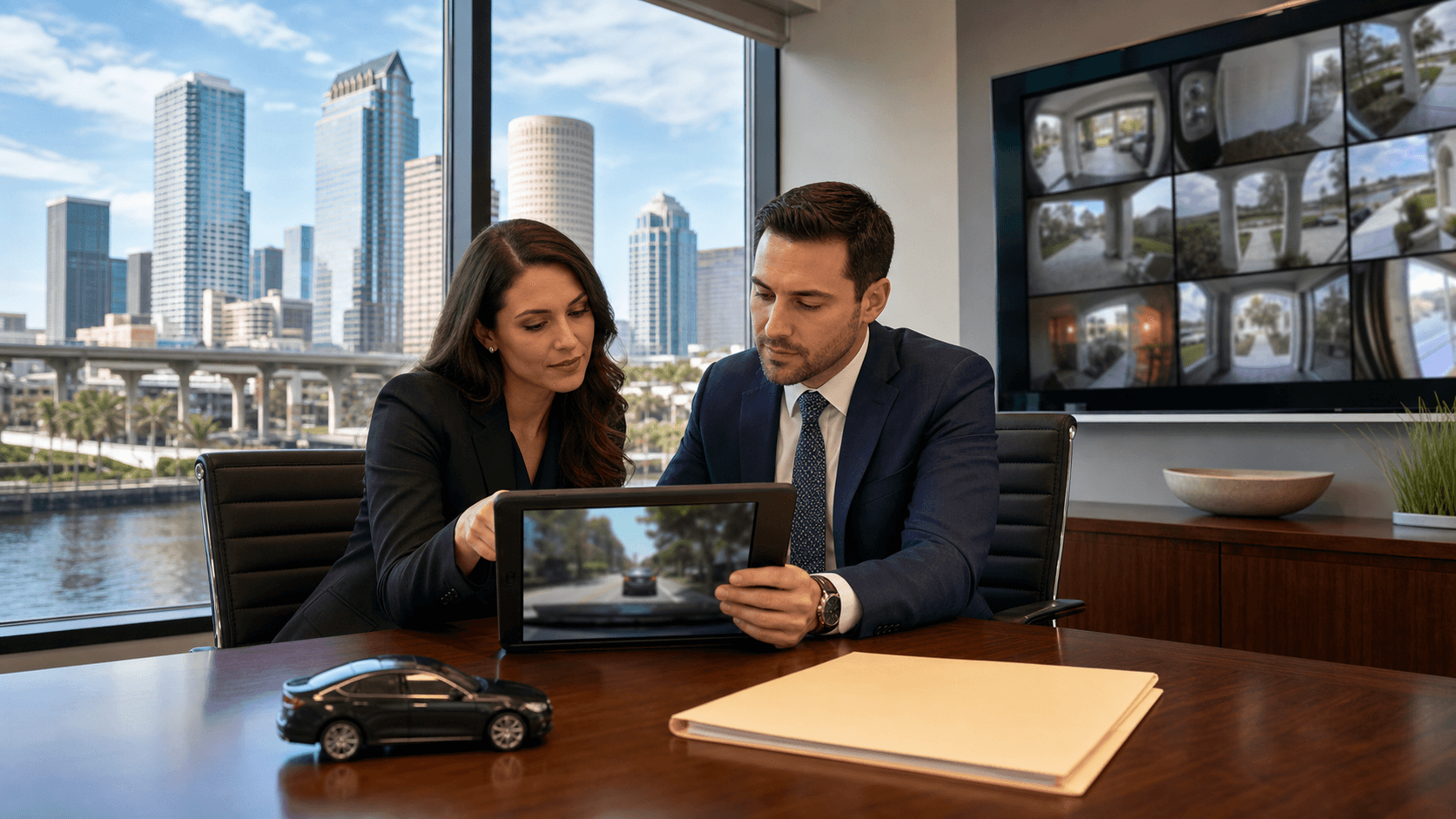
Car crashes happen fast, but video does not lie. Dash cams, Ring doorbells, and other home cameras are changing how Tampa car accident claims play out, especially when drivers tell very different stories about what happened. When we can show clear video, it often becomes the strongest piece of evidence in the whole case.
As we head into long weekends, summer road trips, and late-night drives home from barbecues, Tampa Bay roads get crowded. There are more tourists, more rainstorms, and more fender benders and serious crashes. At Massaro Law, we have seen how a single clip from a dashcam or Ring camera can cut through confusion, speed up insurance decisions, and support claims for real injuries. This guide explains how that footage can help, what to do with it, and why working with a Tampa car accident lawyer who understands video evidence makes a difference.
How Everyday Cameras Can Win Your Car Accident Case
Everyday cameras are everywhere now. Many drivers keep dashcams on their windshield. Many homes have Ring-style doorbells aimed at the street. Apartment complexes and small shops have cameras on their parking lots and driveways.
That everyday tech can:
- Show what really happened in the seconds before and after a crash
- Break the tie when both drivers blame each other
- Help prove that an impact was harder than the other side claims
- Push an insurance company to take your injuries more seriously
At our firm, we work with video evidence often. Trial-lawyer Vincent Massaro has used dashcam and home camera clips in negotiations and at trial, putting jurors right at the scene of the collision. Around busy times like Memorial Day and the summer travel season, when crashes spike around Tampa Bay bridges, interstates, and neighborhood streets, this kind of proof is especially important.
Why Dashcam and Ring Footage Matters After a Crash
Dashcams do much more than record a bump. Depending on the angle and quality, a dashcam can show:
- The color of a light and whether someone ran a red light
- Lane changes, drifting, or swerving before impact
- Sudden braking or following too closely
- A driver looking at a phone or driving aggressively
Ring and other home security cameras can be just as powerful. Many of them face the street, a driveway, or a parking lot. They can capture:
- Hit-and-run crashes in neighborhoods
- Speeding through residential streets or stop signs
- Impacts in apartment or condo parking lots
- The exact time, location, and direction of travel
This footage helps prove fault and can protect you if the other driver lies or changes their story. It can also support injury claims that show up later. For example, someone may feel "shaken up" right after the crash, but soft-tissue injuries, neck pain, back pain, or concussion symptoms appear days later. When we can show a clear, hard impact on video, it becomes harder for an insurance adjuster to say, "That was just a little tap."
Legal Basics of Using Camera Footage in Florida Crashes
Video is powerful, but it still has to follow the rules. In Florida courts, dashcam and Ring footage is generally usable if:
- It is authentic and from a real device
- It has a clear or explainable time and date
- The original file and data are kept, not edited or filtered
Florida is a no-fault state, which means your own Personal Injury Protection (PIP) coverage is involved no matter who caused the crash. But video evidence still matters a lot when your injuries are serious and you are pursuing a claim beyond PIP or a wrongful death claim with a Tampa car accident lawyer. When we can show clear fault, that supports claims for pain, medical care, lost income, and future impact.
There are also privacy issues. Cameras are usually allowed to record what is in public view, like streets and shared parking areas. Audio recording can be more sensitive, depending on where and how it is captured. That is one reason we want to review footage before it is shared widely. Posting clips online or sending them around without legal guidance can cause problems later.
What to Do with Dashcam or Ring Videos After an Accident
If you have dashcam or home camera footage after a crash, time matters. Here are some steps that usually help protect it:
- Save and back up the video right away to more than one place
- Turn off loop recording on the dashcam if possible, so it does not overwrite the crash
- Keep the memory card and device in a safe place
- Write down basic details like date, time, and location
Often, the best video comes from someone else. Right after a crash, it can help to:
- Ask nearby neighbors if they have Ring or similar cameras facing the street
- Check with small businesses, gas stations, and apartment offices that may have parking lot cameras
- Act quickly, because many systems record over old footage after a short time
We strongly suggest not editing, cropping, or trying to "clean up" footage on your own. Changing a file, even with good intentions, can make an insurance adjuster or defense lawyer claim it was tampered with. Sharing the raw video first with a Tampa car accident lawyer lets us protect the chain of custody and decide the best way to use it.
How Insurance Companies Use and Attack Video Evidence
Insurance companies like video when they think it helps them. They may:
- Focus only on a short part of the clip to claim the crash was minor
- Say you were partly at fault because of how your car moved
- Argue the low visible damage means you could not be badly hurt
They also attack the video itself. Common arguments include:
- The angle makes the crash look worse than it was
- The time or date stamp is wrong or cannot be trusted
- The clip starts too late or ends too early
- The file was edited or is missing frames
A skilled trial lawyer can push back. At Massaro Law, that can mean getting the original file and metadata, talking to witnesses who can confirm what the video shows, working with accident reconstruction experts, and presenting the clip in context, not as a tiny, unfair snapshot. Used the right way, video can help jurors and adjusters understand the full story, not just a few seconds.
Working with a Tampa Car Accident Lawyer Who Knows Video
Not every case has clear camera footage, but we look for it in almost every Tampa Bay crash we handle. We consider:
- Your dashcam or the dashcam of anyone involved
- Ring or home security cameras pointed at the road
- Traffic cameras and red light cameras where available
- Business cameras near the scene
Part of our work is sending preservation letters so people and businesses keep their footage instead of deleting it. When needed, we can request or subpoena video that owners do not want to share and bring in experts who can study the footage for speed, distance, timing, and driver behavior.
At Massaro Law, we keep our process client-focused. We walk you through how to share videos safely, explain how we may use that footage in negotiations or in a courtroom, and update you on how the video is affecting your case value. For many injured people, it is a relief to know that the crash is not just their word against the other driver anymore, because the camera saw it too.
Protect Your Rights After a Car Accident Today
If you were hurt in a crash, our team at Massaro Law is ready to walk you through your legal options and fight for the compensation you deserve. Speak with an experienced Tampa car accident lawyer who can evaluate your case, deal with the insurance companies, and help you avoid costly mistakes. We will listen to your story, explain each step in plain language, and keep you informed so you can make confident decisions. To schedule a consultation, simply contact us and we will respond promptly.