Summer Riding in Tampa Bay: Hidden Dangers on Beach Roads
Summer in Tampa Bay means longer days, packed beaches, and more bikes on the road. Gulf Boulevard, the Courtney Campbell Causeway, the Howard Frankland, and the roads into Clearwater Beach, St. Pete Beach, Treasure Island, and Honeymoon Island stay busy from morning through late night. For many riders, that beach ride is the best part of the day.
Those same roads that feel fun and relaxed can turn dangerous in a second. Beach traffic is crowded, drivers are distracted by the water and their GPS, and people are focused on finding a parking spot, not watching for motorcycles. Our goal here is simple: to help local riders understand what makes these crashes different, what your rights are, and how a Tampa motorcycle accident lawyer can step in when a driver or insurance company tries to blame you for what happened.
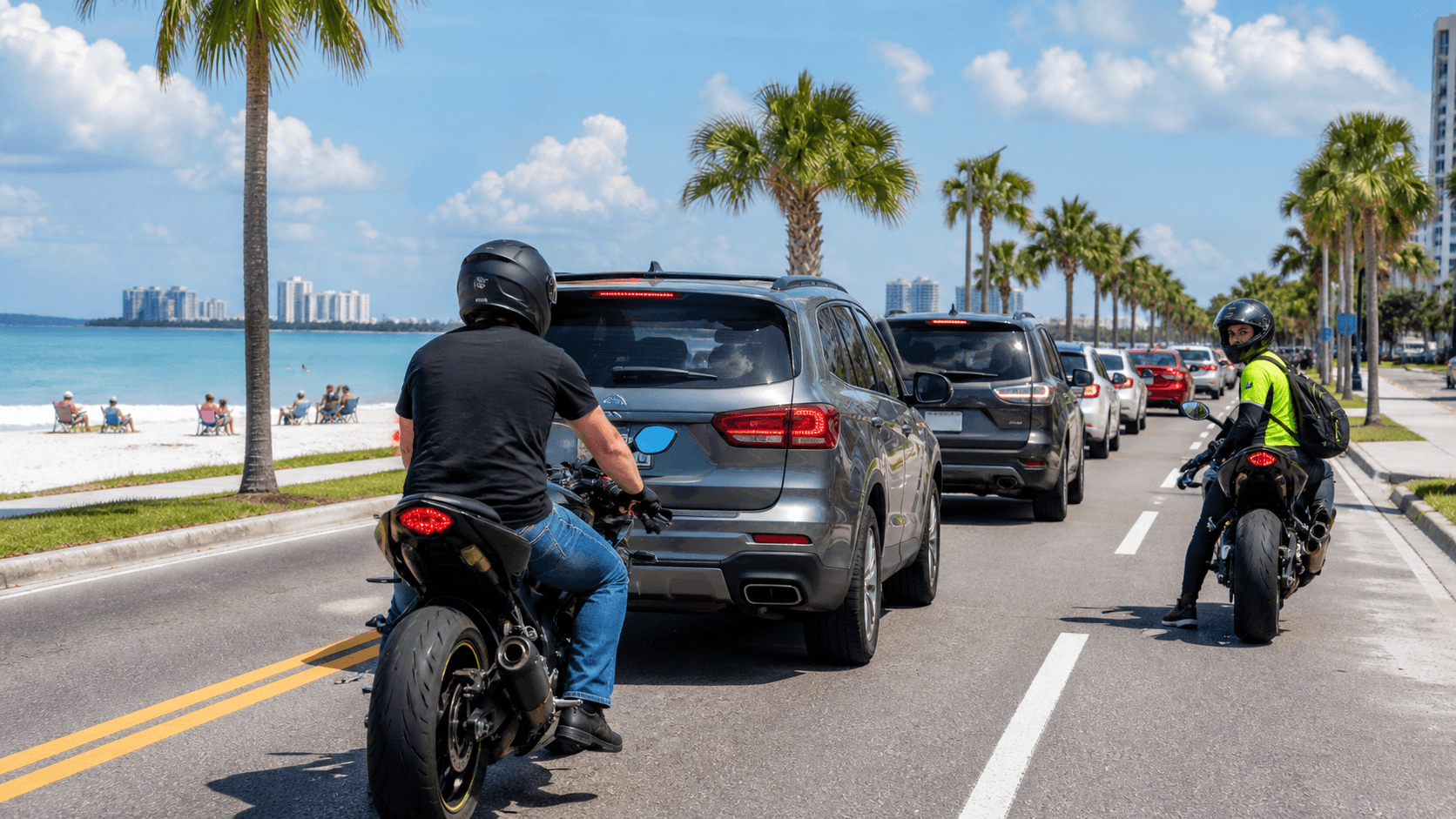
On coastal and beach access roads, riders face extra risks. Heavy stop-and-go traffic stacks up near public beach entrances, and out-of-town drivers often do not know the area. Vacationers in rental cars can be focused on the view instead of the road, and frequent lane changes and last-second turns into parking lots create constant conflict points.
When something goes wrong, it usually happens fast, and riders often end up carrying the worst of the impact.
Why Beach Road Motorcycle Crashes Are so Severe
Not all roads are the same for a motorcycle. Beach routes around Tampa Bay bring their own set of hazards that drivers in cars often do not notice.
Some of the most common road-and-visibility hazards include:
- Sand or shell grit on the pavement, especially near the shoulder or crosswalks
- Slick painted lines, markings, and crosswalks close to the sand
- Sudden backups near beach access, crosswalks, and trolley stops
- Low sun glare over the water that makes bikes hard to see at certain times of day
On parts of Gulf Boulevard and the causeways, we see repeated crash patterns. Drivers may turn left across oncoming traffic and cut off riders, or they may slam on the brakes at a crosswalk or beach entrance, leading to rear-end collisions. Tourists can also drift while looking for parking or checking a map, causing lane-change sideswipes. In beach parking areas, dooring is another risk when someone flings a door open into the lane near angle or street parking.
Because a motorcycle offers so little protection, injuries from these wrecks can be serious. Riders often deal with:
- Road rash and deep skin damage
- Broken arms, legs, ribs, or collarbones
- Traumatic brain injuries, especially if there is any head impact
- Neck and spinal injuries that can affect balance, strength, or sensation
- Damage to knees, shoulders, and other joints that may need surgery
These injuries can mean hospital time, physical therapy, missed work, and long-term pain. That is why these cases are rarely "small" or "simple," even if an insurance adjuster tries to treat them that way.
How Liability Works After a Beach Road Bike Wreck
After a crash, the law looks at fault based on negligence, in other words, who failed to act with reasonable care. On Tampa Bay beach roads, that often includes drivers who do not yield while making left turns, make unsafe lane changes without checking blind spots, text or look at their phones, or watch the water instead of the lane. It can also include drivers who speed up to "beat" a yellow or red light near a beach intersection.
Florida uses a comparative negligence system. That means even if someone claims you were partly at fault, you may still recover money for your injuries, medical treatment, and other losses, as long as your share of fault does not bar recovery under current law. Insurance companies often try to put blame on riders for things like lane position, speed, or clothing, so understanding how this works is important.
The strength of a motorcycle claim often comes down to evidence. Helpful proof can include:
- Police crash reports and any citations given
- Dashcam footage or security video from beach bars, shops, hotels, or condos
- Statements from witnesses who saw the crash or the driving beforehand
- Photos of vehicle and bike damage, skid marks, sand patches, and the general scene
- Records of road hazards, faded paint, blocked signs, or missing warning signs
Beach areas also bring special factors that can complicate who is responsible for paying your losses. Out-of-state tourists may fly in and drive unfamiliar roads, rental cars may involve separate insurance policies, and rideshare vehicles may be picking up or dropping off near beach bars and restaurants. Delivery or commercial vehicles serving beachfront hotels and condos can add another layer as well.
Each of these can add extra insurance layers and more than one potentially responsible party. Sorting all of that out is part of building a strong claim.
Protecting Your Rights in the First 72 Hours
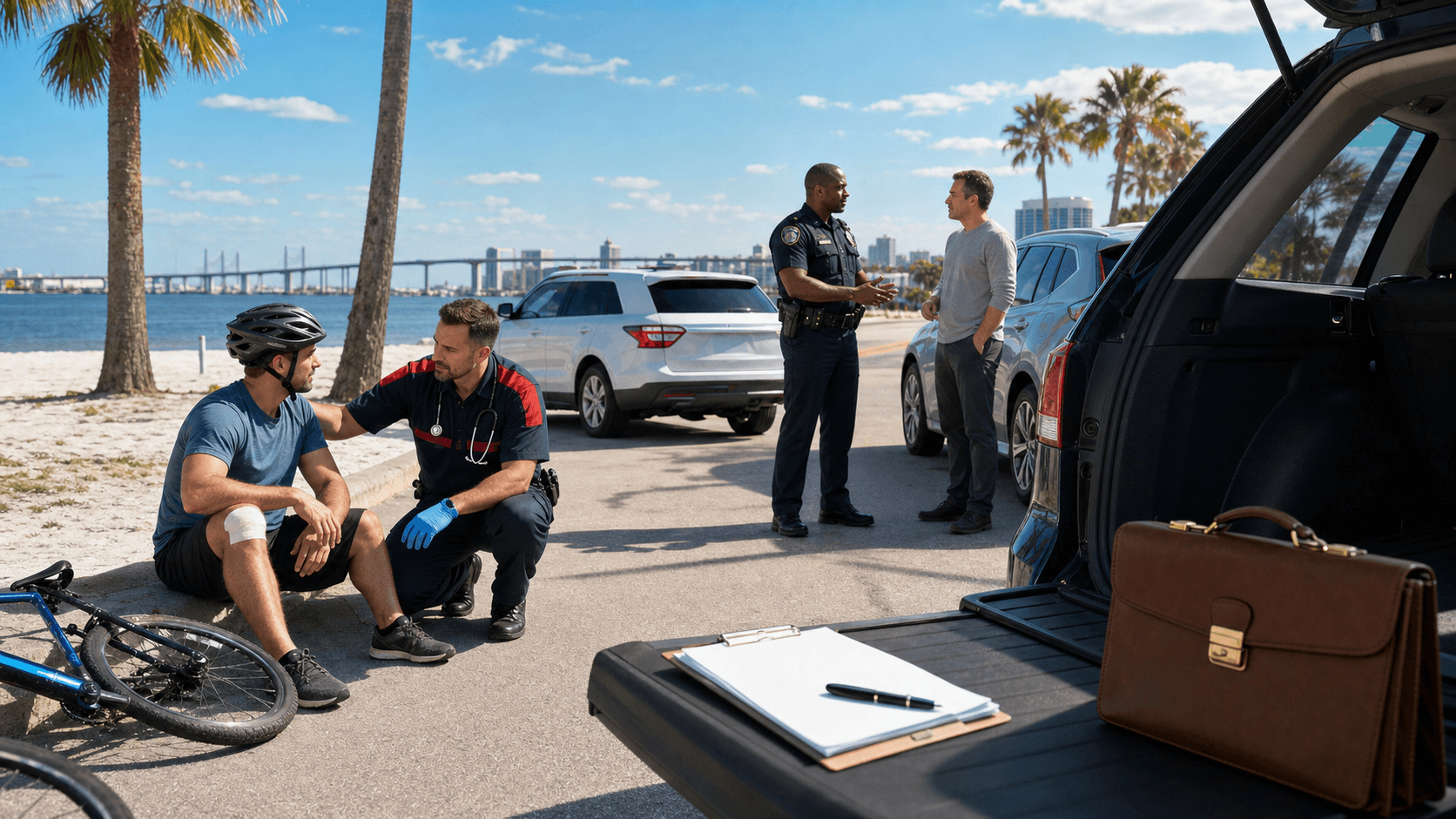
The first few days after a motorcycle crash can affect both your health and your legal claim. Your body is full of adrenaline, and injuries do not always show right away, especially head, neck, and back problems.
Medical steps that matter include:
- Getting emergency or urgent care as soon as you can, even if you feel "okay"
- Telling the doctor about every area of pain, not just the worst one
- Asking about imaging, like X-rays or scans, if you have head, neck, or back symptoms
- Following up with your primary doctor or a specialist if pain, headaches, or numbness continue
At the crash scene, some smart moves can help protect you later:
- Call 911 so there is an official report
- Make sure you know how to get the report number
- Take photos and short video clips of the scene, damage, and road conditions if you are able
- Exchange information with all drivers involved
- Get contact details for any witnesses and nearby businesses with cameras that might have recorded the wreck
On the insurance side, there are also common mistakes to avoid:
- Giving a recorded statement before you understand your injuries and your rights
- Accepting a fast, low settlement just to cover short-term summer bills
- Posting beach photos, riding photos, or comments about the crash on social media
- Assuming the other driver's insurance will treat you fairly without any pushback
Once things are said, signed, or posted, they can be hard to undo. Insurance companies may use your own words or photos against you.
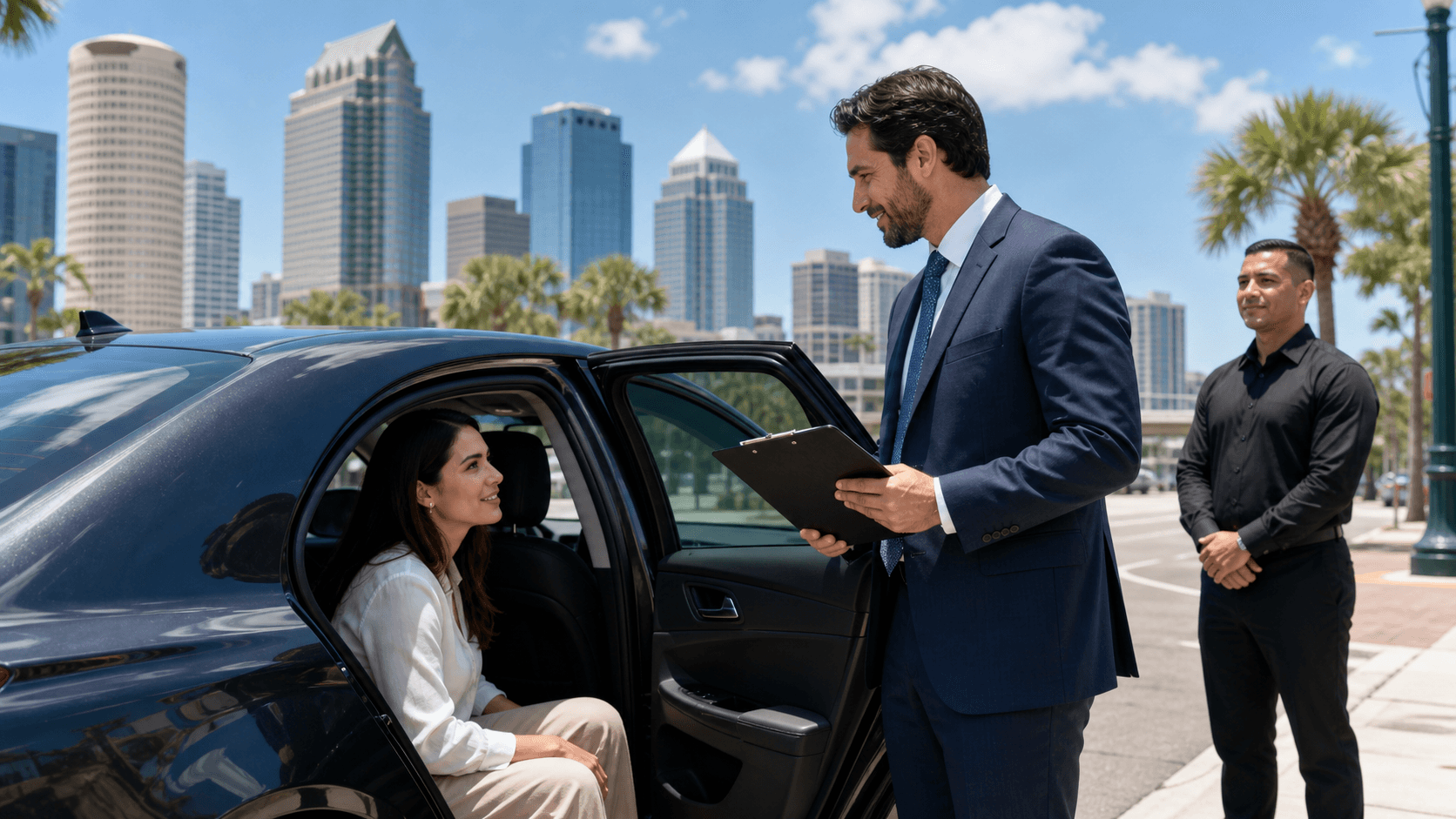
Working with a Tampa Motorcycle Accident Lawyer You Trust
Local experience can make a real difference for motorcycle riders. Someone who practices in Tampa and Pasco County is more likely to know the patterns on specific roads like Gulf Boulevard and the major causeways, how local law enforcement usually handles motorcycle reports, nearby trauma centers and common treatment paths for serious injuries, and the way regional insurers and defense firms tend to approach motorcycle claims.
When a Tampa motorcycle accident lawyer takes on a beach road case, the work often includes:
- Investigating the crash scene and conditions as soon as possible
- Tracking down and preserving camera footage before it is erased
- Working with accident reconstruction experts when fault is disputed
- Reviewing helmet and riding gear damage to show the force of impact
- Collecting medical records and talking with treating providers
- Calculating lost wages, reduced future earning ability, and projected medical needs
- Preparing each claim as if it might go to trial, even if it later settles
At Massaro Law, cases are led by trial lawyer Vincent Massaro. We focus on clear communication, direct access, and telling your story in a way that helps insurance adjusters, defense lawyers, and, if needed, a jury understand how a beach road crash has affected your life, your work, and your future.
Take Back Your Summer After a Beach Road Crash
A crash on the way to or from the beach can turn a good day into a hard season, but it does not have to define your entire future. You should be able to focus on healing, not drowning in forms, phone calls, and arguments about fault while you are in pain.
For riders and families in Tampa and Pasco County, time matters. Deadlines apply to injury claims, and beach road evidence like sand tracks, skid marks, and camera footage can disappear quickly. Getting guidance from an experienced Tampa motorcycle accident lawyer early on can make a real difference in how your claim is handled and how your life looks on the other side of the crash.
Take The First Step Toward Protecting Your Rights After A Crash
If you were hurt in a motorcycle accident, you do not have to navigate the insurance and legal process on your own. Our Tampa motorcycle accident lawyer will review your case, explain your options, and help you pursue the compensation you may be entitled to. At Massaro Law, we take the time to listen to your story and build a strategy tailored to your situation. Reach out today to contact us and schedule a consultation.