Everyday Walks Should Not Be Dangerous
Walking in your own neighborhood should feel calm and safe. Maybe you head out after dinner on a warm July evening, kids riding scooters ahead of you, a summer storm cloud building in the distance. It feels relaxed and familiar, the kind of routine that is part of everyday life in Pasco County.
Yet many serious pedestrian injuries happen on these same quiet streets. The problem is that people often relax their guard near home, even while hidden hazards and careless drivers are still all around them. Neighborhood roads, driveways, and sidewalks can be just as risky as busy highways when others are not careful.
We want to walk through common neighborhood dangers that hurt pedestrians in Pasco County, share simple safety tips, and explain when it may be time to talk with a pedestrian accident lawyer in Pasco County about your rights after a crash or fall.
Hidden Dangers on Neighborhood Streets
Some of the biggest risks are built right into the street and sidewalk where you walk every day.
Poor lighting and dark sidewalks
Missing or broken streetlights make it hard for drivers to see someone walking a dog, pushing a stroller, or crossing the street at night. Even with Florida's longer summer evenings, dusk can be a tricky time. Your eyes are still adjusting, headlights are popping on, and shadows can hide a person near the edge of the road.
Common lighting problems include:
- Burned out or broken streetlights
- Long stretches of road with no lights at all
- Trees blocking the light from poles
- Dim, yellow lighting that does not reach the sidewalk
Missing or unsafe sidewalks
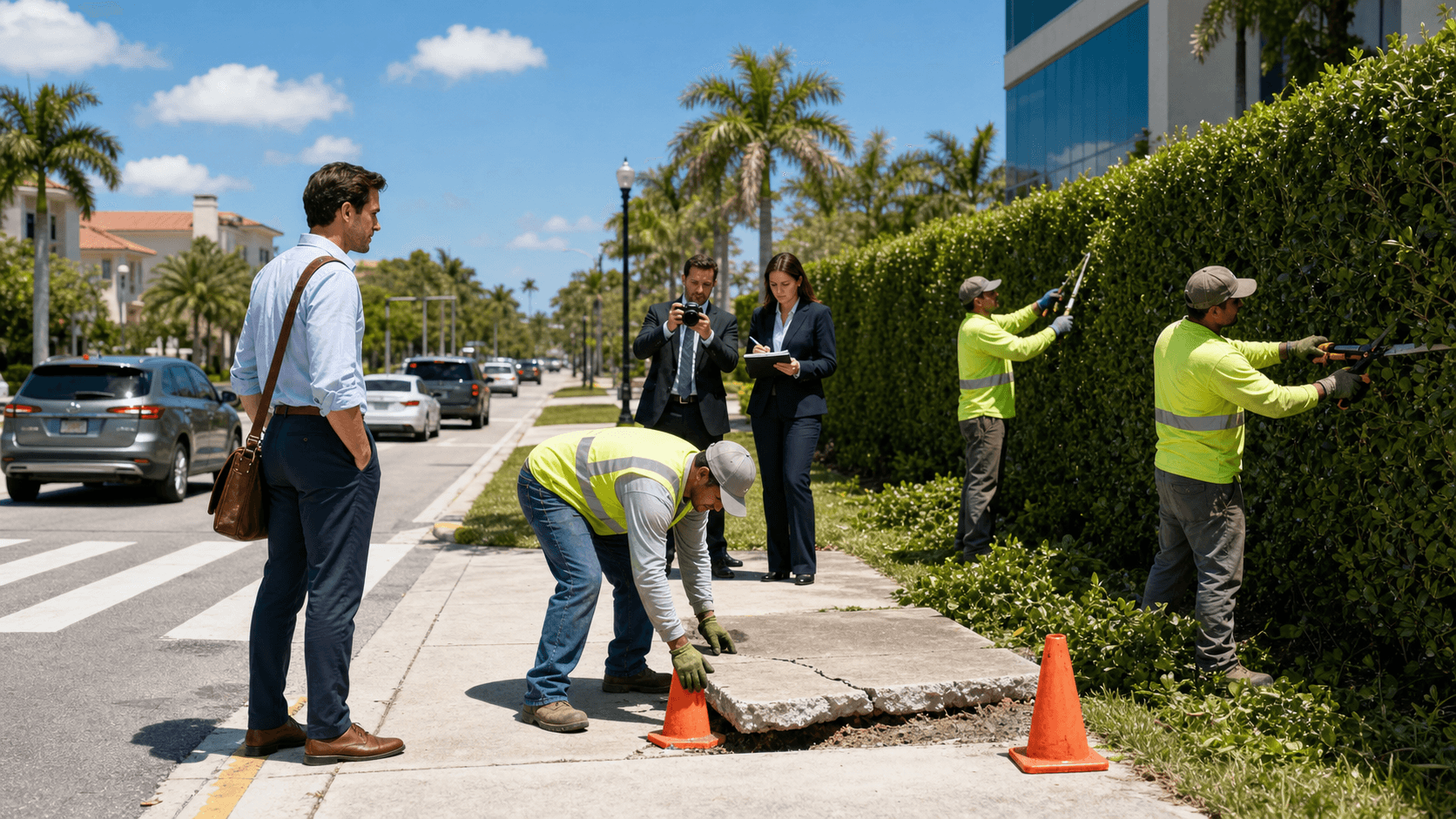
In many Pasco County neighborhoods, sidewalks are cracked, raised, or missing in long stretches. You might step off a curb because of:
- Broken or uneven pavement
- Overgrown grass or bushes forcing you into the street
- Tree roots pushing slabs up
- Holes or gaps that create a trip hazard
Different people may share responsibility for these areas. Depending on the spot, it might be a homeowner, an HOA, or a local government that is supposed to keep walkways in reasonable condition. When they do not, pedestrians can pay the price.
Dangerous crosswalks and intersections
Trouble often shows up where cars and people cross paths. Some neighborhoods have:
- Faded or unmarked crosswalks
- Intersections near schools or parks with no clear signals
- Stop signs that drivers treat like suggestions
When drivers roll through stop signs, speed up to beat a turn, or fail to yield to people in a crosswalk, serious injuries can follow. This is true even on small streets where traffic feels light.
Neighborhood Drivers Who Put Walkers at Risk
Even a safe-looking street becomes dangerous when drivers act carelessly.
Speeding on residential roads
Many drivers think going just a little over the limit is no big deal. On neighborhood streets, that small bump in speed can be the difference between a close call and a life-changing crash. Cars need more distance to stop, and drivers have less time to react if a child runs after a ball or someone steps into the road from between parked vehicles.
Summer can add to the risk, with:
- More kids on bikes and scooters
- Children playing in driveways and yards
- Families walking to pools, parks, and friends' houses
Distracted and impaired driving close to home
Drivers are often the most relaxed right near their own house, which can lead to risky behavior. Common distractions in neighborhoods include:
- Checking a phone or GPS for directions
- Looking for a house number or driveway
- Turning to talk to passengers
- Reaching back to calm a child or pet
On evenings and weekends, some drivers may also be impaired after backyard barbecues, pool parties, or time at a local bar. Even if they think they feel fine, slowed reaction times and poor judgment can be dangerous for anyone sharing the road on foot.
Backing out of driveways and parking lots
Backing up may seem minor, but it is a common source of pedestrian harm. Larger vehicles like SUVs and trucks can have big blind spots. If a driver does not fully check mirrors, backup cameras, and over-the-shoulder views, they can miss:
- Children on bikes on the sidewalk
- Neighbors walking behind the car
- People pushing strollers or wheelchairs
When a driver backs into a neighborhood street or across a sidewalk without proper care, they can be held responsible for the harm they cause.
Property Hazards That Catch Pedestrians Off Guard
Not every pedestrian injury involves a moving car. Many happen on driveways, walkways, and parking areas.
Unsafe driveways, walkways, and parking areas
On private property, hazards like cracked concrete, loose pavers, or oil slicks can cause sudden falls. In Florida's humid climate, standing water can lead to slime or algae that makes a surface very slick.
Common dangerous conditions include:
- Broken or crumbling steps or curbs
- Potholes or sunken spots where water collects
- Spilled oil or other slippery fluids
- Smooth surfaces that become slick when wet
Under Florida premises liability law, homeowners, landlords, and businesses may be responsible when they know or should know about a hazard and fail to fix it or warn visitors.
Overgrown landscaping and blocked views
Overgrown bushes, low tree branches, or badly parked vehicles can block the view at corners, driveways, and crosswalks. When sightlines are blocked, a driver backing out may not see someone on the sidewalk, or a turning car may not notice a child on a bike until it is too late.
Storm-related dangers in Florida's rainy season
Summer storms can sweep through quickly and leave new hazards behind, such as:
- Large puddles hiding holes or broken pavement
- Slippery algae on sidewalks near standing water
- Sticks, palm fronds, and other debris on walking routes
If a property has repeat flooding or known slippery areas, the owner or HOA may have a duty to address those problems and reduce the risk of falls.
What to Do After a Neighborhood Pedestrian Injury
Right after a crash or fall, it can be hard to think clearly. Taking a few key steps can help protect your health and your legal options.
Immediate steps at the scene
If you are hurt in your neighborhood:
- Call 911 and get medical help
- Make sure law enforcement creates a report
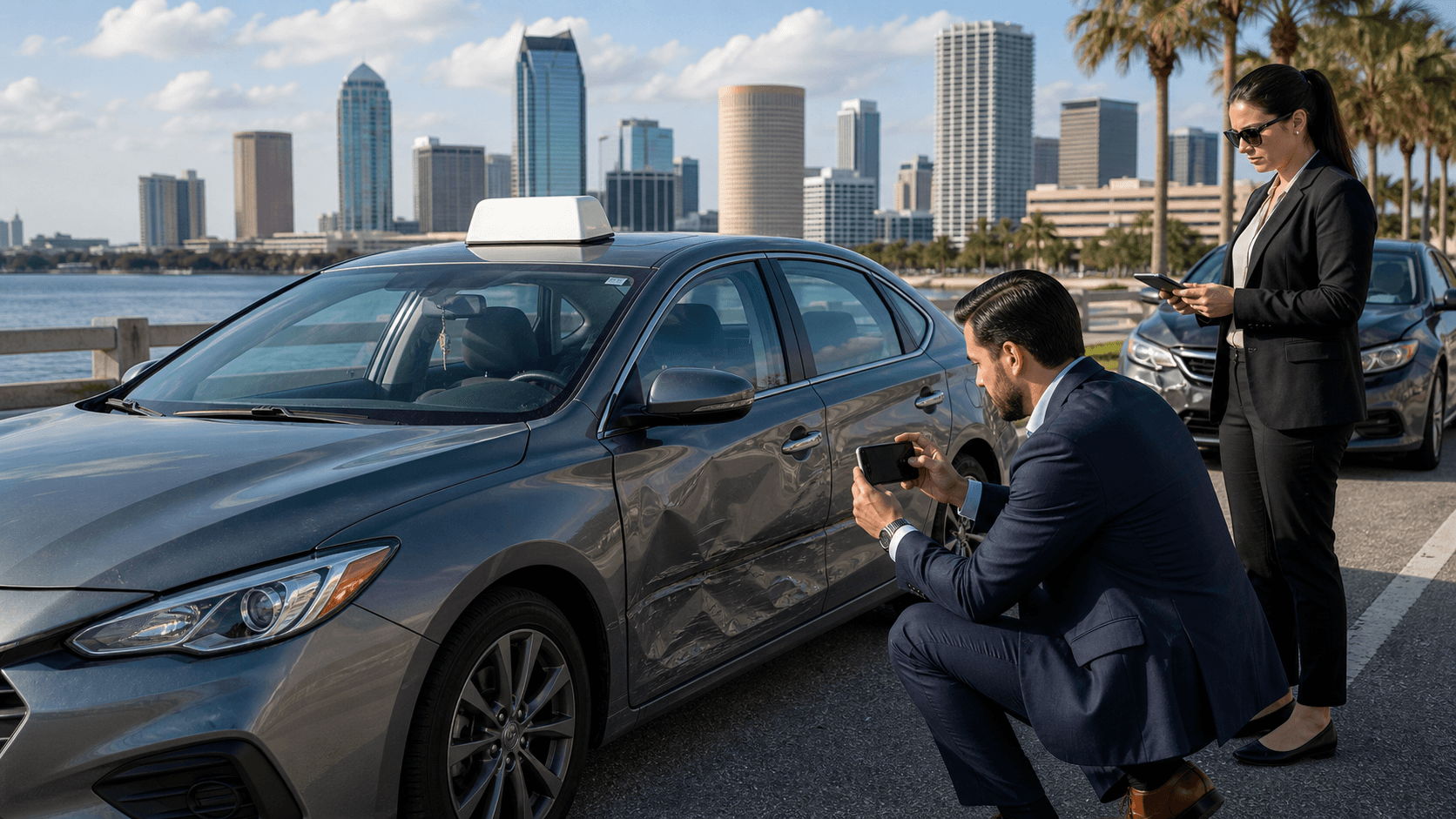
- Take photos of the area, lighting, sidewalk or driveway, and any vehicles involved
- Get names and contact information for witnesses
Even if a driver or property owner promises to take care of everything, a police report and scene photos can become very important later.
Documenting your injuries and costs
See a doctor as soon as you can, even if you feel "mostly okay." Some injuries show up or get worse over time. Keep track of:
- Medical records and test results
- Doctor bills, therapy costs, and medication receipts
- Time missed from work or school
- Changes in your daily life, such as pain, trouble sleeping, or limits on activities
Insurance adjusters may call quickly and ask for a recorded statement. It is usually better to speak with a pedestrian accident lawyer in Pasco County first so you understand your rights and do not say something that can be used against you.
How a lawyer strengthens your claim
A lawyer can:
- Investigate who may be responsible, including drivers, homeowners, businesses, HOAs, or government entities
- Work to preserve security camera footage, photos, and other evidence
- Handle talks with insurance companies
- Help calculate damages, including medical care, lost income, and pain and suffering
At Massaro Law, we focus on listening to clients, explaining options in clear language, and preparing every case as if it may go to trial. That approach helps injured pedestrians and their families feel heard and supported while they work through a very hard time.
Protect Your Rights After a Pedestrian Accident Today
If you were hit while walking in Pasco County, you do not have to navigate the medical bills, insurance pressure, and legal questions alone. At Massaro Law, we carefully investigate what happened, preserve critical evidence, and fight for the full compensation you deserve. Speak with a dedicated pedestrian accident lawyer in Pasco County to understand your options and next steps. To schedule a free consultation, simply contact us today.