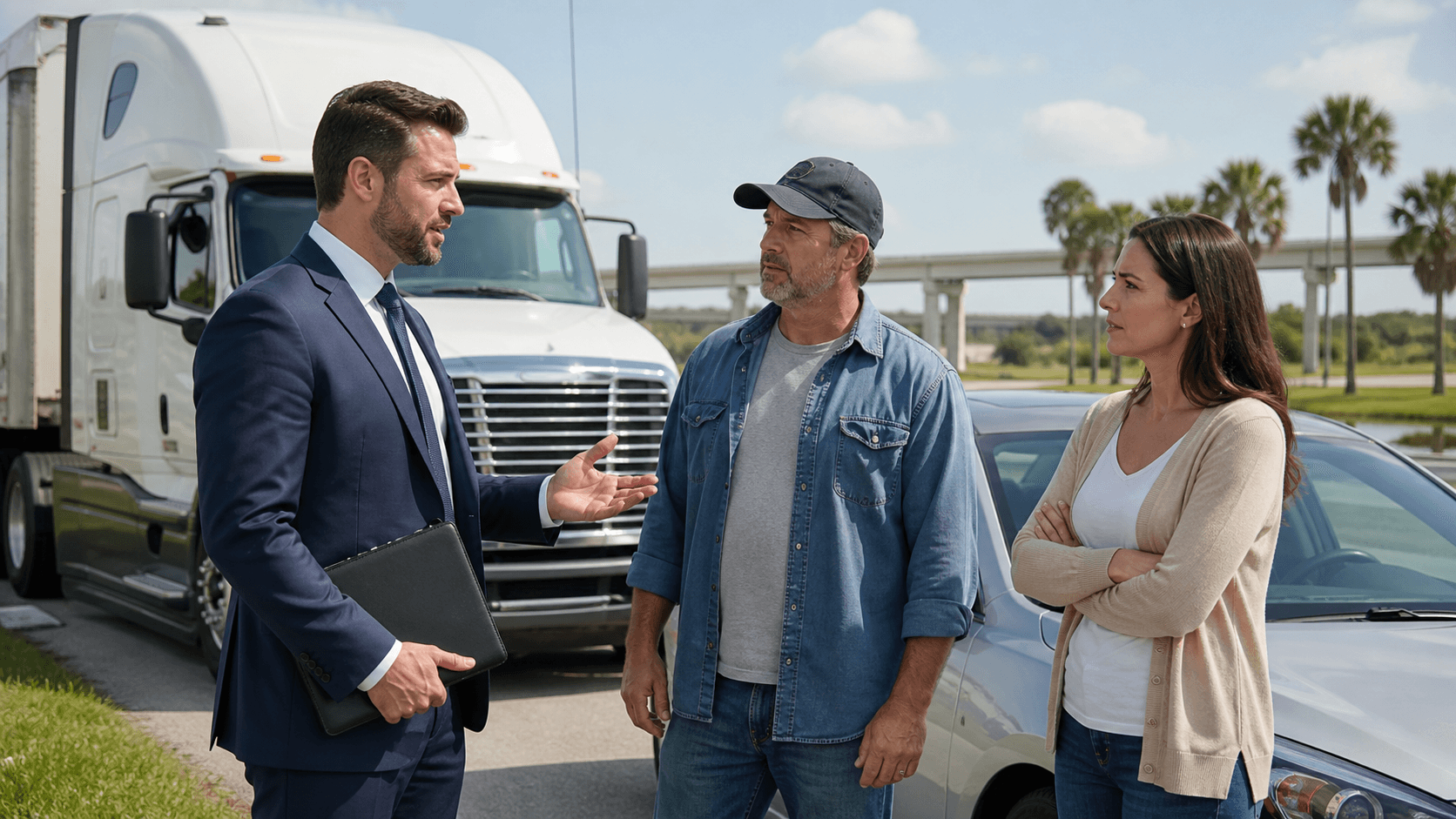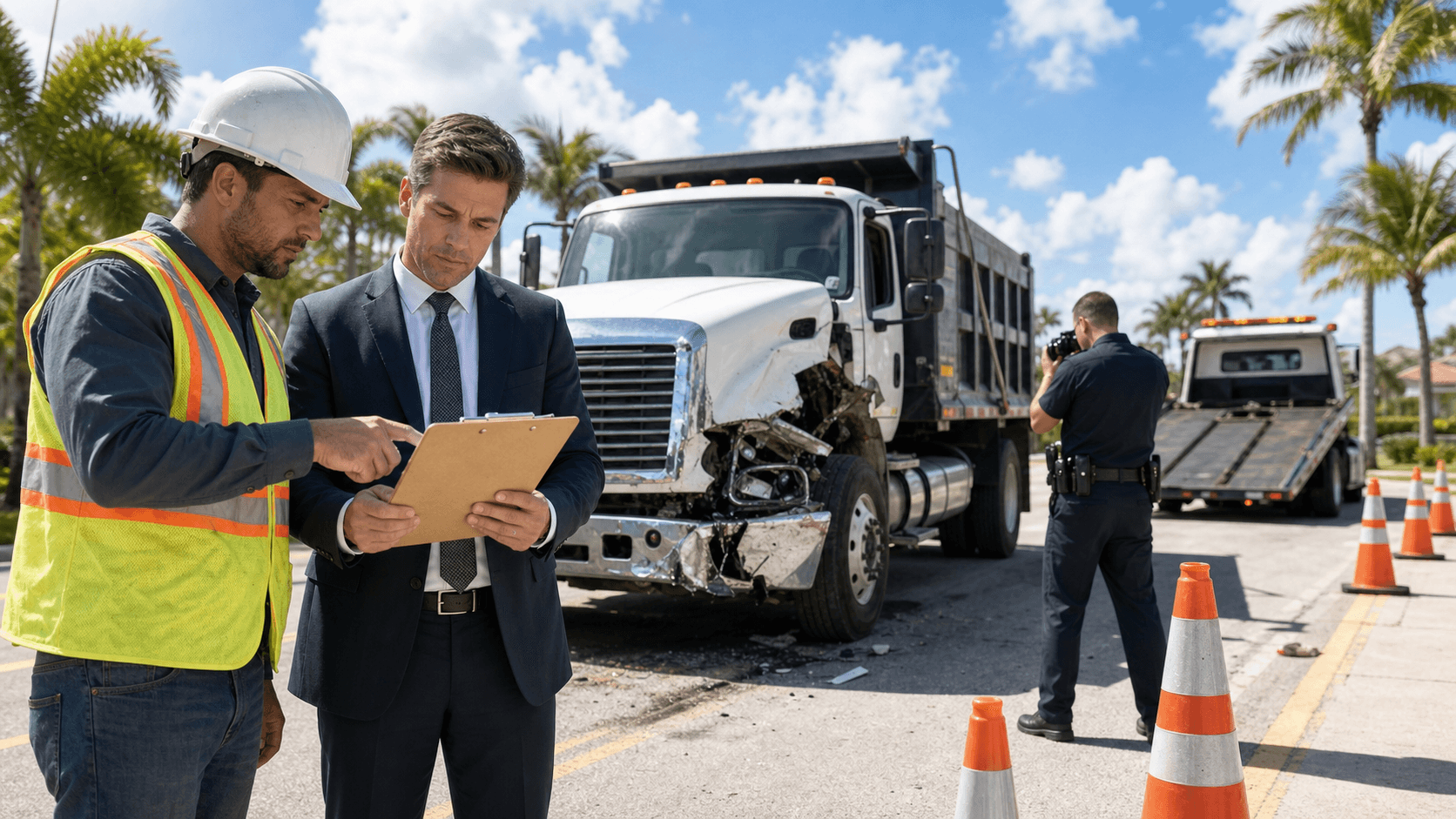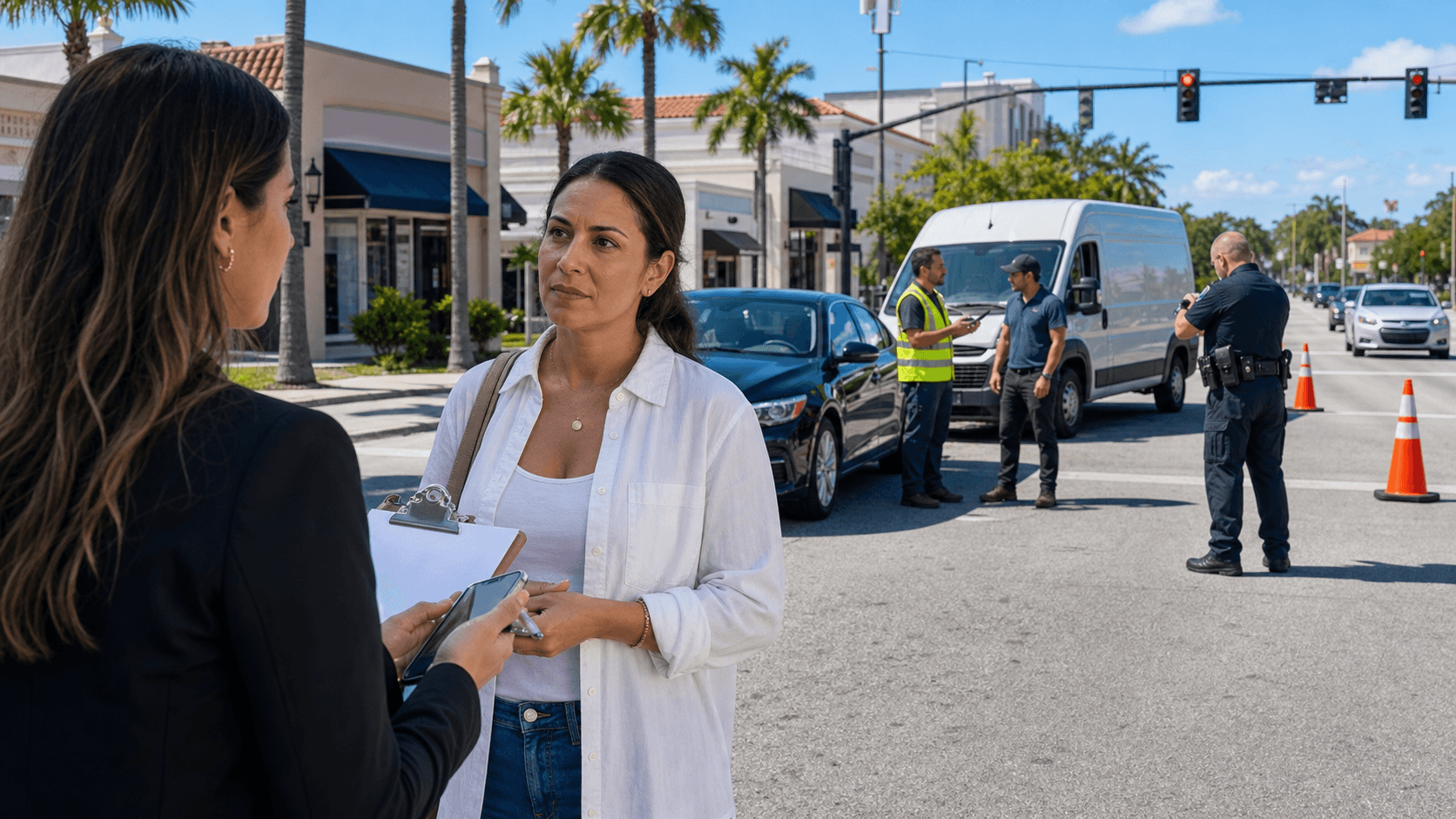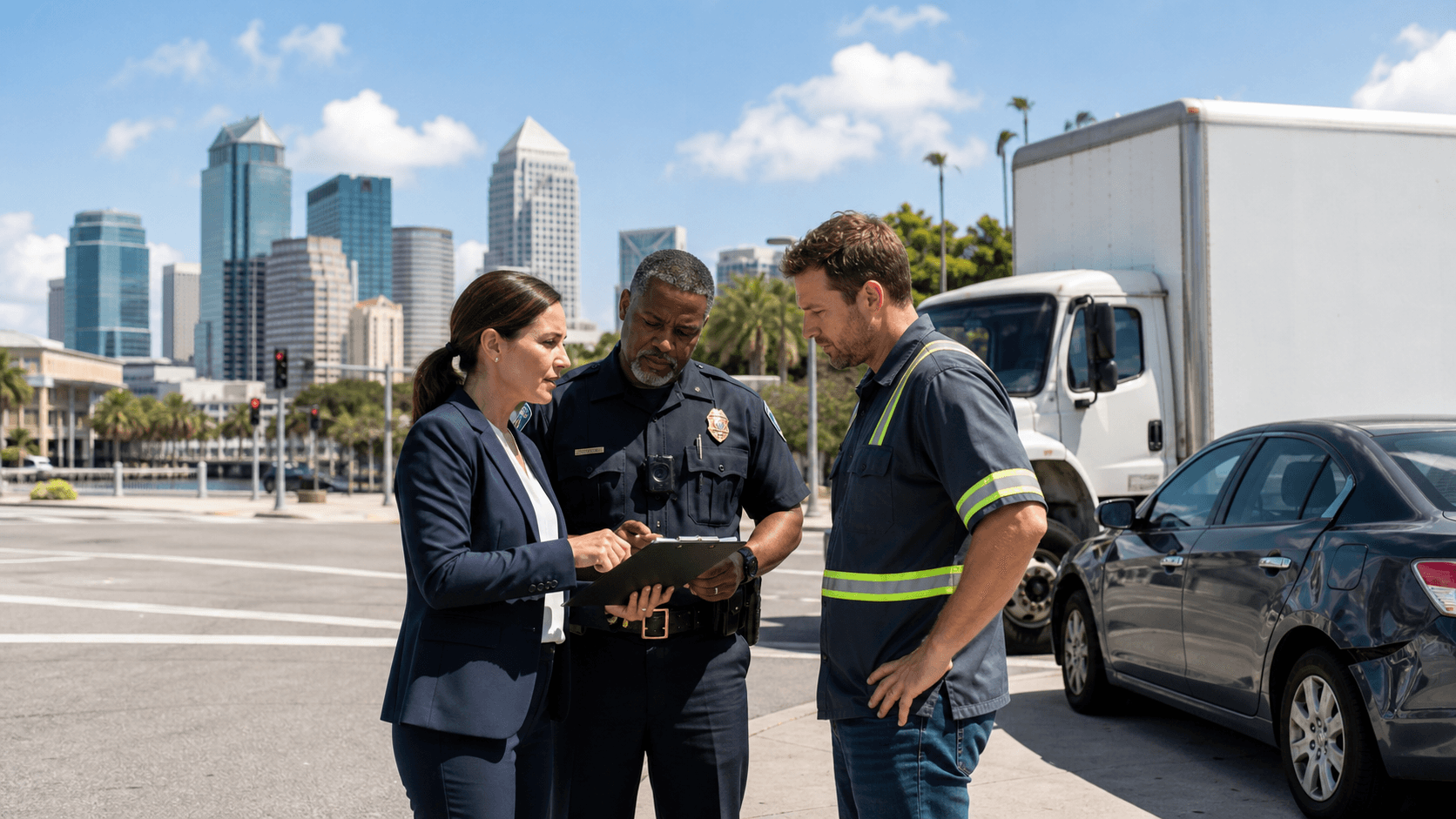
A delivery truck crash in Tampa Bay can turn your day upside down in seconds. One minute you are driving near a mall, beach, or tourist area, the next you are dealing with pain, car damage, and a confusing mess of insurance and paperwork. When a delivery truck is involved, that mess usually gets a lot more complicated.
These crashes are not like simple two-car wrecks. There may be several companies involved, different insurance policies, and special rules that apply only to delivery drivers and their employers. We want to walk through why these cases are so tricky, what makes them different, and how a delivery truck accident lawyer in Tampa Bay can help protect your rights from the start.
Hidden Legal Traps After a Tampa Bay Delivery Truck Crash
Tampa Bay has seen a big rise in same-day and on-demand delivery. More vans and trucks crowd the roads around shopping centers, apartment complexes, hotels, and beach routes. Late summer brings heavier traffic with tourists, back-to-school errands, and people squeezing in last-minute trips, which means more delivery stops and more chances for serious crashes.
Delivery truck wrecks are rarely minor. These vehicles are larger and heavier than regular cars, so:
- Impacts can cause serious injuries, even at lower speeds
- Damage to smaller vehicles is often severe
- People inside the smaller vehicle usually suffer the worst harm
On top of that, the legal side is tricky. There might be:
- A national brand backing the delivery service
- A local contractor actually employing the driver
- A separate company that owns or leases the truck
- Another driver who also shares blame
While you are trying to get medical care and sort out your day, delivery companies and insurers may already be gathering evidence, contacting witnesses, and planning how to limit what they pay. Acting quickly can help even the playing field and keep you from falling into hidden legal traps.
Why Delivery Drivers and Companies Are Not Like Ordinary Motorists
Delivery drivers often work under tight schedules, tracking apps, and company rules. Their days are shaped by more than just normal traffic laws. They may be subject to:
- Company policies about speeding, phone use, and breaks
- GPS and route tracking that records where they were and how fast they drove
- Rules about how many hours they can be on the road
These extra layers create more ways for someone to be careless, but they also create more evidence that can help show what happened.
There is also the legal concept of vicarious liability, sometimes called respondeat superior. In simple terms, if the driver was working at the time of the crash, the employer can often be held responsible for the driver's careless actions. That can open the door to larger insurance coverage and a different approach than in a normal car accident between two private drivers.
Things get even more tangled when the driver is labeled an independent contractor or works through a delivery app or gig platform. The big company might argue that it cannot be held responsible because the driver is not an employee. That fight over labels can decide who pays for your medical bills and losses.
Real-life delivery problems we often see include:
- Rushing to meet delivery quotas or deadlines
- Double-parking on busy streets and blocking views
- Backing up quickly in crowded apartment or condo complexes
- Speeding through tourist areas in late summer traffic
Each of these can create serious danger for people walking, biking, or driving nearby.
Untangling the Web of Potentially Liable Parties
After a delivery truck crash in Tampa Bay, there may be a whole web of people and companies involved. Common players include:
- The delivery truck driver
- The local delivery company that hired the driver
- A parent corporation that runs the delivery brand
- The company that owns or leases the truck
- A maintenance or repair shop that serviced the vehicle
- A business that loaded the cargo
- Other drivers who may have caused or added to the crash
Each of these parties may have separate insurance with different limits and fine print. One insurer might say another company is to blame. Another might claim the driver was off the clock. This finger-pointing can delay or reduce the money offered to the injured person.
When national or international brands are involved, the structure behind them can be complex. Policies might be written in another state. There can be questions about where and how the claim should be handled. Sorting all of this out early helps make sure no possible source of recovery is missed.
Critical Evidence That Can Make or Break Your Claim
Delivery truck crashes often involve special types of evidence that do not show up in a regular car wreck. Examples include:
- Electronic logging devices that track driving hours
- GPS and telematics data that record location and speed
- Onboard cameras facing the road or the driver
- Handheld scanner or app data that show delivery times and stops
- Cell phone records that may show calls, texts, or app use
Much of this data can be lost if it is not preserved quickly. Companies may overwrite digital information, put the truck back on the road, or reassign the driver. Without fast action, it can become harder to prove what really happened before and during the crash.
Other important evidence includes:
- Skid marks, debris, and impact points at the scene
- Damage patterns on all vehicles involved
- Event data from the vehicles' black boxes
- Camera footage from nearby homes, businesses, or traffic cameras
- Prompt medical records that document injuries right away
A lawyer can send letters to demand that companies keep this evidence, work with accident reconstruction experts to piece together the crash, and coordinate with medical professionals to connect the collision to injuries like spinal harm, traumatic brain injuries, or complex fractures.
How Insurance Battles and Florida Law Complicate Recovery
In a single delivery truck crash, several insurance policies may come into play, such as:
- Commercial auto coverage on the delivery truck
- Umbrella or excess policies that sit on top of the main one
- Employer liability coverage
- The driver's personal auto insurance, in some cases
- Uninsured or underinsured motorist coverage on your own policy
Florida law adds more layers, including rules about how fault is divided, deadlines for filing claims, and any special notice rules for certain insurers or defendants. These details can have a big impact on your recovery.
Insurers often use tactics like:
- Asking for recorded statements and using your words against you
- Making quick, low settlement offers before you know the full extent of your injuries
- Blaming you for part or all of the crash
- Pointing to other health issues to argue your injuries are not from the wreck
This can be especially common during busy late summer months when crash claims rise and insurers are watching their bottom line closely.
A delivery truck accident lawyer in Tampa Bay can gather and organize medical records, collect proof of lost wages and future care needs, and push back when insurers try to undervalue serious injuries or shift blame.
Take Strategic Action After a Delivery Truck Crash in Tampa Bay
Right after a delivery truck crash, it helps to focus on a few key steps:
- Call 911 so law enforcement and medical help can respond
- Get checked by medical professionals, even if you feel "mostly fine"
- Take photos or video of the scene, vehicles, and any visible injuries if you can safely do so
- Get names and contact details for witnesses and note any nearby cameras
- Avoid posting about the crash on social media
From there, speaking with an experienced local personal injury firm like Massaro Law can help protect your rights. Our team can work to preserve time-sensitive evidence, identify all responsible parties, and handle communications with adjusters so you are not trying to manage everything alone.
You do not have to understand every legal twist on day one. What matters most is acting quickly, getting the care you need, and putting someone on your side who understands how delivery truck cases work in Tampa Bay.
Protect Your Rights After a Delivery Truck Crash
If you were hurt in a collision with a delivery vehicle, you do not have to handle the insurance companies and mounting bills on your own. As your trusted delivery truck accident lawyer in Tampa Bay, we will investigate what happened, preserve critical evidence, and pursue full compensation for your injuries. At Massaro Law, we take the time to understand how the crash has changed your life so we can build the strongest possible claim. Reach out to contact us today to schedule a free consultation and get clear guidance on your next steps.