When a Day on the Bay Turns Tragically Fatal
A day on the water around Tampa Bay or Pasco County usually means sun, friends, and a break from everyday stress. Boats line up near sandbars, music plays, and people relax in the warm breeze. Most trips end with everyone home safe and tired in a good way.
Sometimes, though, a fun day on the boat ends in seconds with a sudden crash. All it can take is one person going too fast, drinking while driving a boat, looking at a phone, or cutting through a crowded channel without care. When that kind of careless choice leads to a death on the water, it often is not just an "accident." It may be a preventable loss that falls under Florida wrongful death law.
Families in the Tampa Bay area face higher risks during busy summer months, long weekends, and holidays when the waterways are packed with boats and jet skis. We want to explain when a fatal boat crash may be considered wrongful death, who may be held responsible, and how a boating accident attorney in Tampa Bay can help families start to pick up the pieces.
When a Boat Collision Becomes Wrongful Death
Under Florida law, a wrongful death claim happens when a person dies because of another person's negligence, recklessness, or wrongful act. On the water, that means a death caused by unsafe or illegal boating behavior. It is a civil claim, not a criminal charge, and it focuses on the harm done to the family left behind.
Common negligent acts that can turn a crash into a wrongful death case include:
- Boating under the influence of alcohol or drugs
- Driving at excessive speed in crowded or low-visibility areas
- Ignoring channel markers or no-wake zones
- Failing to keep a proper lookout for other boats, swimmers, or obstacles
- Operating at night without proper navigation lights
There must be a clear link between the negligent act and the death. It is not enough that the operator had a beer at some point that day. Their choices must be a direct cause of the collision and the loss of life. This is where evidence, witnesses, and expert opinions matter a lot.
Florida wrongful death law works alongside boating rules enforced by the Florida Fish and Wildlife Conservation Commission and the U.S. Coast Guard. These agencies investigate crashes on the water, issue citations, and record safety violations. Their findings often play a big role in deciding whether a case qualifies as wrongful death. Because every situation is different, it is usually best for families to speak with a lawyer who understands both wrongful death rules and boating regulations in this area.
Common Causes of Deadly Collisions on Tampa Waters
Our local waterways are busy and beautiful, but they can also be dangerous when people fail to use common sense. Some of the most frequent causes of deadly boat crashes in Tampa Bay and Pasco County include:
- Alcohol or drug impairment while at the helm
- Distracted operation, such as texting, changing music, or social media
- Speeding in congested channels or near popular gathering spots
- Inexperienced operators handling large or powerful vessels
The water itself can turn small mistakes into deadly events. Environmental and traffic issues that often combine with negligence include:
- Large wakes from bigger vessels that cause smaller boats to lose control
- Shallow areas or hidden sandbars that can throw passengers overboard
- Sudden storms, wind shifts, or rough chop on open water
- Reduced visibility at dusk and after dark
- Heavy weekend or holiday traffic around sandbars and waterfront bars
Certain local spots carry added risk, like tight passes, bridge areas, busy channels near downtown Tampa and St. Petersburg, and popular sandbars where boats anchor close together. When people ignore state boating laws about no-wake zones, life jackets, navigation lights, or boater education, those violations can become powerful evidence in a wrongful death case. Summer holidays such as July 4 and Labor Day, when more people than usual are out on the water, often see the most serious crashes.
Who May Be Legally Responsible After a Fatal Boat Crash
After a deadly collision, one of the hardest questions for families is, "Who is actually responsible?" The answer can involve several people or companies, not just the person driving the boat that day.
Potential at-fault parties can include:
- The boat operator who was driving carelessly or illegally
- The boat owner, if different from the operator
- Rental or charter companies that provided the vessel
- Event organizers that arranged group outings on the water
- Manufacturers of defective equipment, such as steering or fuel systems
Florida has rules that can make a boat owner responsible when someone else operates the vessel with the owner's permission. In multi-boat crashes, each operator can share some percentage of fault, or one operator's clear violation of navigation rules may be the main cause.
Commercial and recreational charter boats, party cruises, and tour operators can face liability if they fail to train crew, skip safety drills, ignore capacity limits, or allow unsafe behavior on board. To sort all of this out, a boating accident attorney in Tampa Bay will usually:
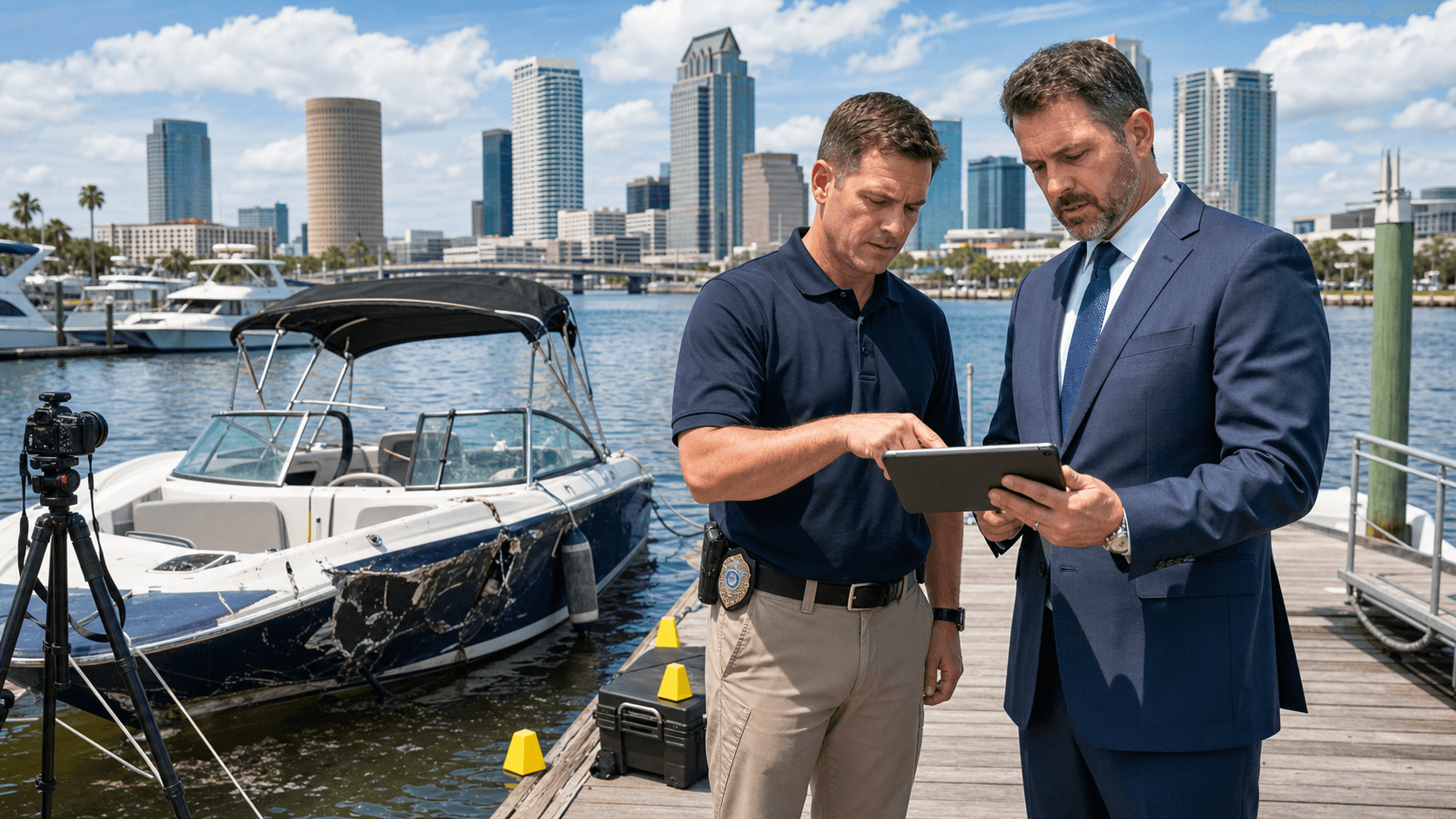
- Review FWC and law enforcement reports
- Analyze GPS or electronic data from the vessels
- Examine maintenance, rental, or charter records
- Interview witnesses, passengers, and first responders
- Work with marine accident reconstruction experts
This kind of detailed work helps reveal not only what happened but also who had the power and duty to prevent it.
Your Family's Rights Under Florida Wrongful Death Law
In Florida, a wrongful death case is filed by the personal representative of the person's estate. That person acts on behalf of surviving family members, which often includes a spouse, children, or parents, depending on the situation. The law sets out who can recover and in what way.
Damages in a fatal boating case can include:
- Medical bills related to the final injury
- Funeral and burial expenses
- Loss of financial support the person would have provided
- Loss of companionship, guidance, and protection
- Mental pain and suffering for certain family members
Special care is needed when minor children or dependent adults are involved, or when the person who died was the main wage earner. The impact on those family members can last a lifetime, both emotionally and financially.
There are strict time limits for bringing wrongful death claims, and the deadlines can be different if a government agency or commercial operator is involved. Acting quickly also helps preserve key evidence that can be lost on the water, such as damaged vessels, electronic data, and witness memories that fade or change. Early legal help can keep that evidence from slipping away.
How a Tampa Bay Boating Lawyer Builds Your Case
Most families have never dealt with a serious maritime or boating claim before, especially while grieving a sudden loss. A lawyer familiar with Tampa Bay waterways and local courts can take on the heavy work so the family can focus on each other.
Building a strong wrongful death boating case often includes:
- Getting FWC and law enforcement reports and correcting errors when needed
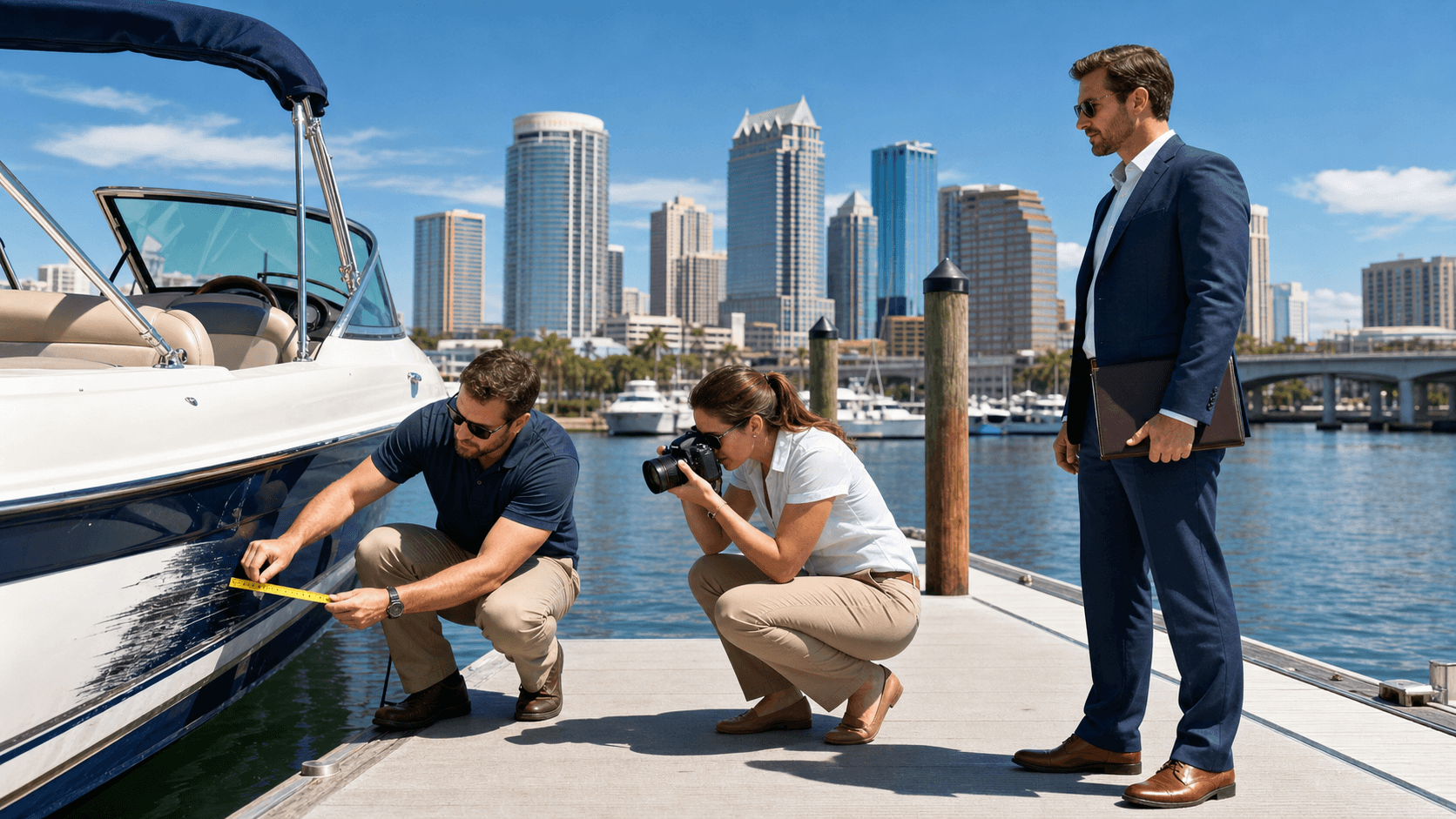
- Photographing the boats, damage, and key parts of the crash scene
- Gathering rental, maintenance, and ownership records
- Interviewing passengers, nearby boaters, and rescue crews
- Working with marine accident reconstruction experts
Lawyers also work with medical experts who can explain how the injuries led to death, and economists who can calculate lifetime financial losses and the impact on the family's future. Insurance companies often try to blame the victim, claim that boating is "assumed risk," or downplay the work of a stay-at-home parent. An experienced trial attorney knows how to push back on those arguments.
At Massaro Law, we prepare wrongful death cases as if they will go to trial in front of a jury. That mindset can help families seek a fair settlement because insurers know the case is being taken seriously and carefully built from day one. While no legal action can undo what happened on the water, a strong case can help bring accountability and support for the road ahead.
Protect Your Rights After a Boating Accident Today
If you were hurt on the water, our team at Massaro Law is ready to review what happened and explain your legal options. A dedicated boating accident attorney in Tampa Bay can help you pursue compensation for medical bills, lost wages, and other losses. We handle the legal details so you can focus on your recovery and your family. To schedule a free consultation, please contact us today.