Protecting Your Vehicle After a Crash in Pasco County
Car damage after a crash can turn your week upside down. In Pasco County, with busy beach traffic, visitors on the roads, afternoon storms, and lots of commuters, even a low-speed collision can leave you without a safe way to get around. When your car is your ride to work, school, or doctor visits, any damage feels like a big problem.
Most people focus on injuries first, and that is important. But the property damage to your vehicle affects your daily life too. If you do not understand how these claims work, you can end up with delays, low offers, or paying out of pocket for things that should be covered. We want you to know your options early so you can protect your car, your wallet, and your peace of mind, and know when it makes sense to speak with a vehicle property damage attorney in Pasco County.
What Counts as Vehicle Property Damage After a Crash
Property damage after a crash is about more than just dents in the doors. It includes almost anything that was damaged in or on the vehicle because of the collision.
Common types of property damage include:
- Damage to the body, frame, paint, and mechanical parts of the car or truck
- Aftermarket parts, like custom wheels, spoilers, or upgraded sound systems
- Child safety seats that were in the vehicle at the time of impact
- Personal items inside the vehicle, like phones, sunglasses, or car seats
- In some situations, the reduced value of your car after it has been repaired
You will also hear the terms "total loss" and "repairable." These labels matter.
- Total loss: The insurance company decides it makes more sense to pay you the value of the car instead of paying to fix it. This raises questions about how they value your car and if you can keep it as a salvage vehicle.
- Repairable: The car can be fixed, at least in the insurer's view. But you still need to think about safety, the quality of repairs, and whether there is any loss in value afterward.
Hidden or delayed damage is very common. At first glance, it might look like you only have a bent bumper, then a mechanic finds bigger issues, such as:
- Frame damage that affects how the car drives and protects you in a future crash
- Problems with electronic sensors, such as backup cameras or lane warnings
- Alignment issues that cause uneven tire wear and steering pull
- Airbag system damage that may not show up until the system is scanned
- Water-related issues if the car sat in deep puddles during a storm, including wiring problems
This is why a quick visual check is not enough. A careful inspection can uncover damage that should be part of your claim.
How Florida Insurance Rules Affect Your Property Damage Claim
Florida's no-fault rules are mostly about injury claims. Property damage follows a different path. That catches many drivers off guard.
Here are the main types of coverage that may come into play:
- The at-fault driver's property damage liability coverage, which usually pays for repairs or the value of your vehicle
- Your own collision coverage, if you have it, which can help even if the other driver is not cooperating
- In some policies, uninsured or underinsured motorist property coverage, if the other driver does not have enough insurance
- Rental reimbursement coverage on your policy, which can help you get a temporary car
Florida uses comparative negligence. That means if you are found partly at fault, your property damage payment can be reduced by your percentage of blame. Insurance companies sometimes push hard to put more fault on you, and that can cut your payout.
Timing matters too. There are:
- Deadlines to report the crash to your insurer
- Deadlines in the policy for submitting proof of loss or repair documents
- Legal time limits for filing a lawsuit if the claim is not resolved
During busy summer months, repair shops, tow yards, and adjusters can be backed up. Acting quickly can help you avoid long waits, extra storage fees, or missed deadlines.
Step-by-Step Guide to Starting Your Property Damage Claim
What you do right after the crash can make a big difference in how your claim goes.
At the scene, try to:
- Move to a safe spot away from traffic, if you can
- Call law enforcement so there is an official report
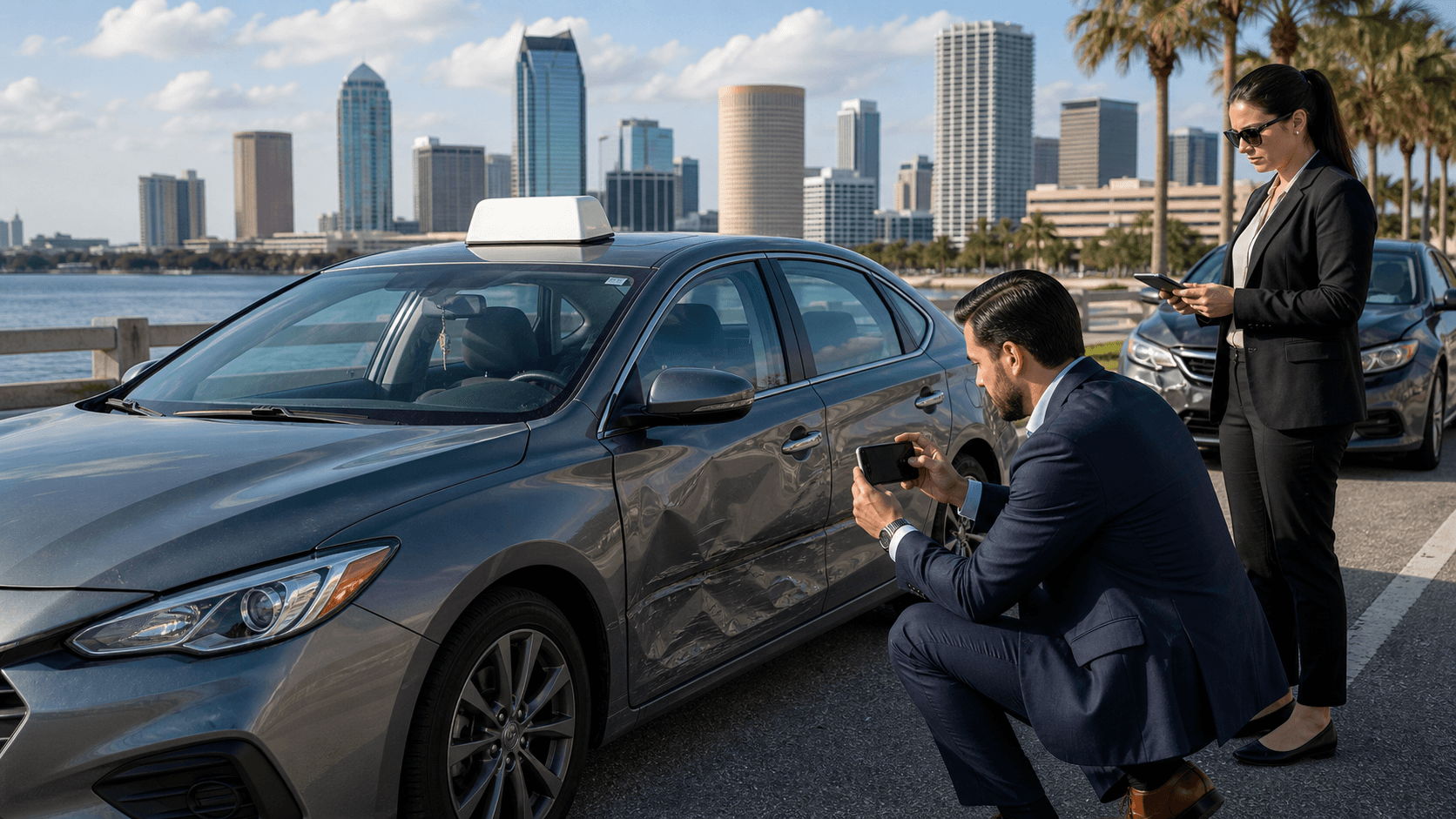
- Take photos and short videos of vehicle damage, license plates, skid marks, and traffic signals or signs
- Capture the weather and road conditions, especially if it was raining
- Get contact and insurance information from the other driver and any witnesses
Soon after, you will need to start the claim process. That usually includes:
- Reporting the collision to your own insurer as soon as you can
- Deciding whether to contact the at-fault driver's insurance or let your insurer do that
- Choosing a repair shop that you trust, not just the one on a preferred list from the insurance company
- Getting an independent estimate if something about the first estimate does not seem right
Keep good records from day one. Helpful items to save include:
- Towing and storage bills
- Rental car or rideshare receipts
- Repair orders, parts lists, and final invoices
- Receipts for damaged personal items that had to be replaced
- Notes of phone calls with adjusters, including dates and what was said
If you later speak with a vehicle property damage attorney in Pasco County, these documents give a clear picture of what happened and what you have lost.
When to Call a Vehicle Property Damage Attorney in Pasco County
Not every small fender bender needs legal help. But there are warning signs that it may be time to talk with an attorney.
Watch for problems like:
- The insurance company disputing fault when the facts seem clear
- Long delays in returning calls or processing estimates
- A repair estimate that looks too low for the amount of damage
- A total loss offer that feels unfair compared to similar cars in our area
- Refusals to pay for a comparable rental, or any payment for loss of use
An attorney can help by:
- Reviewing how the insurer valued your car and comparing it to the local market
- Asking for a more complete inspection or second opinion where needed
- Challenging unfair fault findings that reduce your payout
- Addressing diminished value when repairs leave your car worth less than before
- Coordinating your property claim with any injury claim so nothing is overlooked
Because we work in the Tampa Bay and Pasco County area, we are familiar with local repair facilities, body shops, and how different types of crashes tend to happen on our roads. When summer driving increases traffic and claim volume, that local knowledge can help keep your claim moving instead of getting lost in the shuffle.
Take Control of Your Property Damage Recovery Today
You do not have to accept the first offer the insurance company puts in front of you. Once you sign a release, it can be very hard to go back and fix mistakes, even if more damage shows up later or the repairs are not what you expected. It is worth taking a little time upfront, to think about safety, long-term reliability, and resale value, not just getting the car back as quickly as possible.
At Massaro Law, we focus on helping people in Pasco County and the greater Tampa Bay area work through both injury and property damage claims after a crash. We understand how stressful it is when your main source of transportation is sitting in a shop or tow yard. Before the summer season fills the roads, it helps to gather your photos, estimates, and insurance letters, write out a simple timeline of what has happened so far, and talk with a vehicle property damage attorney in Pasco County so you can move forward with more confidence and a clearer plan.
Protect Your Vehicle Investment With Experienced Legal Help
If your car has lost value after an accident, we can help you pursue the full compensation you deserve for that loss. As a dedicated vehicle property damage attorney in Pasco County, Massaro Law focuses on holding insurers and at-fault parties accountable for the real cost of property damage. We will review your situation, explain your options in clear terms, and develop a strategy tailored to your financial interests. To schedule a consultation and take the next step, please contact us today.