Protect Your Pasco County Pedestrian Claim From Day One
A pedestrian crash can turn a normal day into a painful blur in seconds. In that blur, many people say or do things that later hurt their claim, even though they did nothing wrong. Small choices in the first hours and days can have a big impact on how an insurance company treats you.
In Pasco County, the stakes are even higher. We have busy roads, tourist traffic, summer visitors, and back-to-school foot traffic as August rolls in. All of that means more cars, more distractions, and more risk. When drivers do not pay attention and hit someone on foot, the law gives injury victims a right to seek compensation, but only if the claim is protected from common mistakes.
We want to walk you through the main missteps that can weaken a pedestrian claim: what you say, what you sign, what you document, and what you delay. Knowing these trouble spots helps you stay one step ahead and gives a pedestrian accident lawyer in Pasco County a stronger foundation to work with.
Costly Missteps at the Crash Scene
What happens at the scene often sets the tone for your whole case. The stress and shock are real, but slowing down and staying cautious can help protect your rights.
Leaving without calling law enforcement can be a big problem later. If there is no 911 call and no police crash report, the driver might change their story. The insurance company may question if the crash even happened the way you say it did. In Pasco County, crash reports from law enforcement often become key evidence when we are dealing with adjusters or in court.
Admitting fault or apologizing is another common trap. After a crash, many people say things like, "I am sorry, I did not see you," just because they feel bad or are scared. Those simple words can later be twisted into an admission of blame. Shock, pain, and confusion are all strong reasons to keep your comments short and focused on safety, not on who is at fault.
Failing to gather basic evidence is also a missed chance. If you are able, or if a friend can help, it is useful to collect:
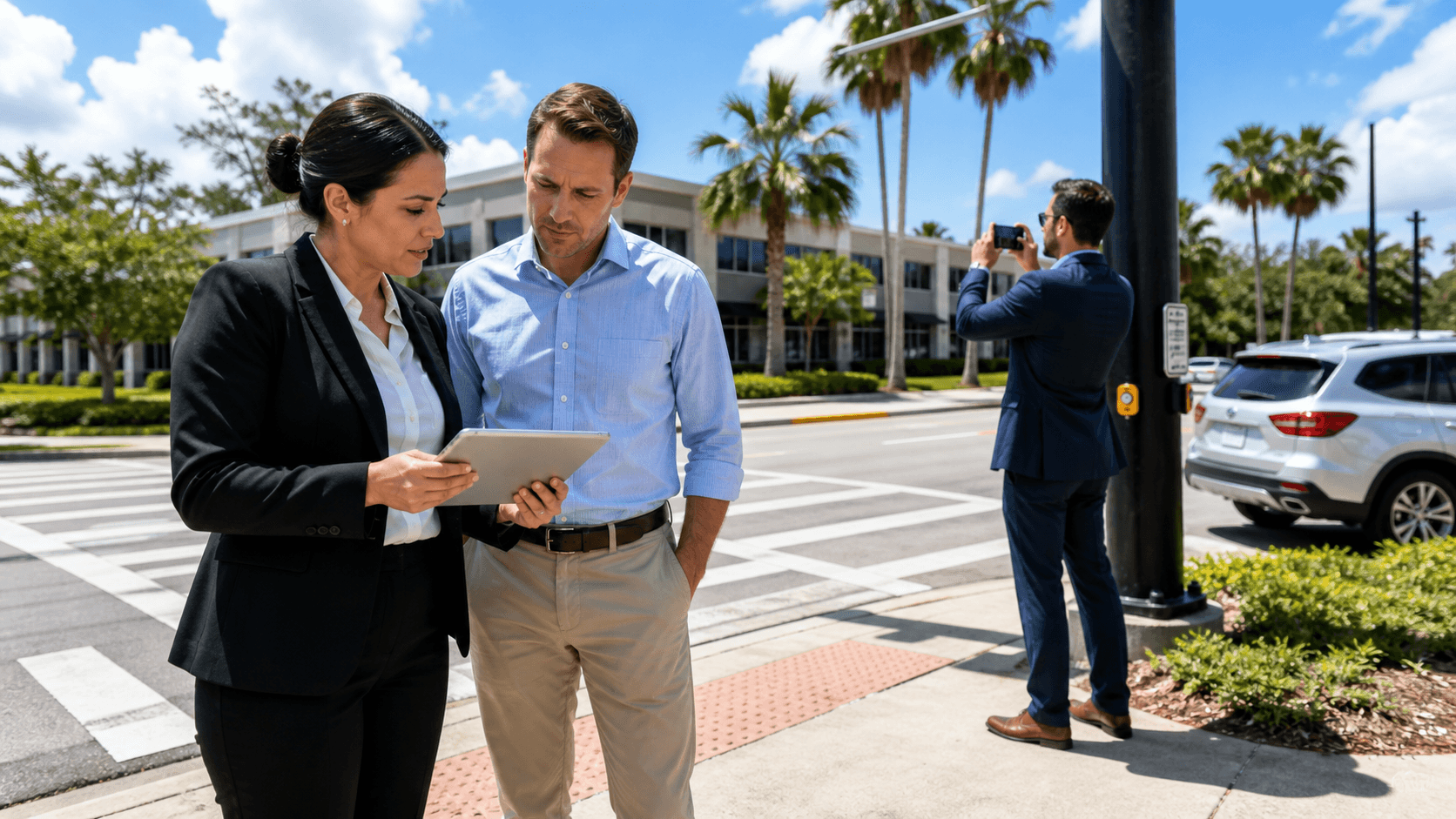
- Photos of the crosswalk, intersection, traffic lights, and any stop signs
- Photos of vehicle damage, skid marks, and broken glass
- Photos showing rain on the ground, glare from the sun, or a dark area if it was closer to sunset
- Photos of any construction zones, blocked sidewalks, or detours
- Names and contact details for any witnesses who saw what happened
Conditions on our roads change fast. Puddles dry up, construction crews finish a project, signs move, and businesses swap out cameras. Quick photos and witness names help lock in what the scene really looked like.
Medical Mistakes That Damage Your Case
After a pedestrian crash, your health comes first, but your medical choices also affect your claim. The way you handle treatment can either support your story or give the insurance company something to attack.
Delaying or skipping medical care is one of the biggest mistakes. When someone waits days to see a doctor, insurers often argue the injuries must not be serious or that something else caused the pain. Some common crash injuries, like brain injuries, internal damage, or soft-tissue strains, may not show full symptoms right away. Getting checked out quickly, even at an urgent care or ER, helps catch those hidden problems and ties them to the crash date.
Ignoring doctor's orders and missing follow-ups also weakens your case. When medical records show missed appointments, skipped physical therapy, or ignored referrals, adjusters may say you are not really hurt or not trying to heal. A steady treatment record, from the first visit through follow-ups, paints a clear picture of your pain and effort to get better.
Not tracking symptoms and daily impact is another missed chance. Many people think they will remember everything, but over time, days blend together. A simple pain and recovery journal can help. Helpful notes include:
- Where you hurt and how it feels on a scale you understand
- Sleep problems, headaches, or dizziness
- Trouble walking, standing, driving, or doing housework
- Missed work, reduced hours, or changes in job duties
- Events or activities you skip because of your injuries
These details help a pedestrian accident lawyer in Pasco County explain your pain and suffering in a clear, human way, not just through medical codes.
Insurance and Social Media Mistakes to Avoid
After a crash, insurance companies may seem friendly, but they are focused on paying as little as they can. Social media can add another layer of risk if you are not careful.
Giving recorded statements without counsel is risky. Adjusters are trained to ask questions that make you sound unsure, partly at fault, or less injured than you are. Even simple answers can be pulled out of context and used against you later. It is reasonable to tell the adjuster that you want to talk with a lawyer before doing any recorded statement.
Accepting quick settlement offers can also backfire. Early checks often show up before you know the full extent of your injuries. At that point, you may not have a final diagnosis, you may not know if you will need surgery, and long-term treatment plans are still unknown. Once you sign a release, you usually give up your right to any more money, even if your future medical costs end up much higher than anyone thought.
Oversharing on social media creates yet another set of problems. Insurance companies often look for posts, photos, and check-ins that they can use to claim you are doing better than you say. To protect yourself, it helps to:
- Avoid posts about the crash, your injuries, or your case
- Be careful with photos of trips, outings, or activities
- Tighten privacy settings on your accounts
- Avoid accepting friend requests from people you do not know
A single happy-looking photo or joking comment can be twisted into "proof" that your pain is not serious.
Legal Delays and Documentation Errors
Pedestrian claims are time-sensitive. Evidence fades, memories slip, and legal deadlines move closer every day.
Waiting too long to talk to a lawyer can make a strong case harder. In pedestrian crashes, nearby businesses or homes might have surveillance video, but those clips are often recorded over quickly. Road markings change, warning signs move, and witnesses become harder to track down. When a lawyer is involved early, they can send preservation letters, start an investigation, and handle communications with insurers so you are not pressured or misled.
Poor documentation of lost wages and expenses also hurts many claims. It is not enough to say, "I missed work" or "I paid a lot out of pocket." It helps to keep:
- Medical bills and summaries from every provider
- Pharmacy receipts and over-the-counter item receipts
- Mileage logs or ride receipts for trips to doctors or therapy
- Notes from your employer about missed days, reduced hours, or light-duty work
- Records of any help you had to pay for at home, like childcare or yard work
These records help show the full financial impact of the crash, not just the medical side.
Missing Florida legal deadlines can end a claim completely. Florida law sets strict time limits, called statutes of limitations, for filing injury and wrongful death cases. If those deadlines are missed, the court will usually not hear the case at all, no matter how strong the facts are. The paperwork and timing can be confusing, which is one more reason not to try to handle everything alone.
Take Control of Your Recovery with Local Legal Help
You do not control what a careless driver does, but you do control how you handle the hours, days, and months afterward. Avoiding mistakes at the scene, in your medical care, with insurance adjusters, online, and in your legal steps can protect your right to fair compensation. Acting early, especially as summer traffic and back-to-school season make Pasco County roads even busier, can help preserve important evidence before it disappears.
At Massaro Law, we focus on helping injured pedestrians and families in our community. As a trial-focused firm in the Tampa Bay area, we understand local roads, how insurance companies think, and how Pasco County judges and juries view these cases. A pedestrian accident lawyer in Pasco County can guide you through each choice, help you avoid these common mistakes, and work to hold negligent drivers accountable while you focus on healing.
Protect Your Rights After a Pedestrian Accident
If you were hit by a car or injured while walking, you do not have to navigate the legal and insurance process alone. At Massaro Law, our pedestrian accident lawyer in Pasco County can evaluate your case, explain your options, and pursue the compensation you may be entitled to under Florida law. We will handle the paperwork, deadlines, and negotiations so you can focus on your recovery. To schedule a consultation, please contact us today.